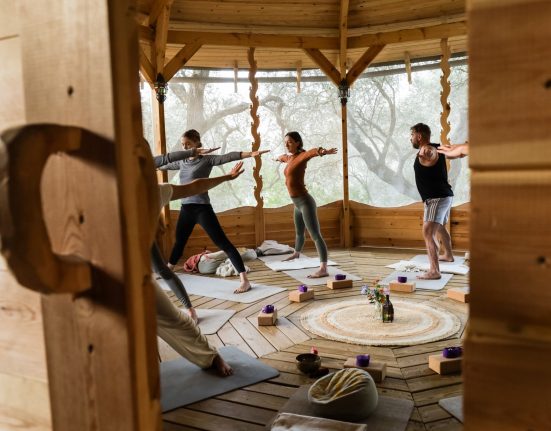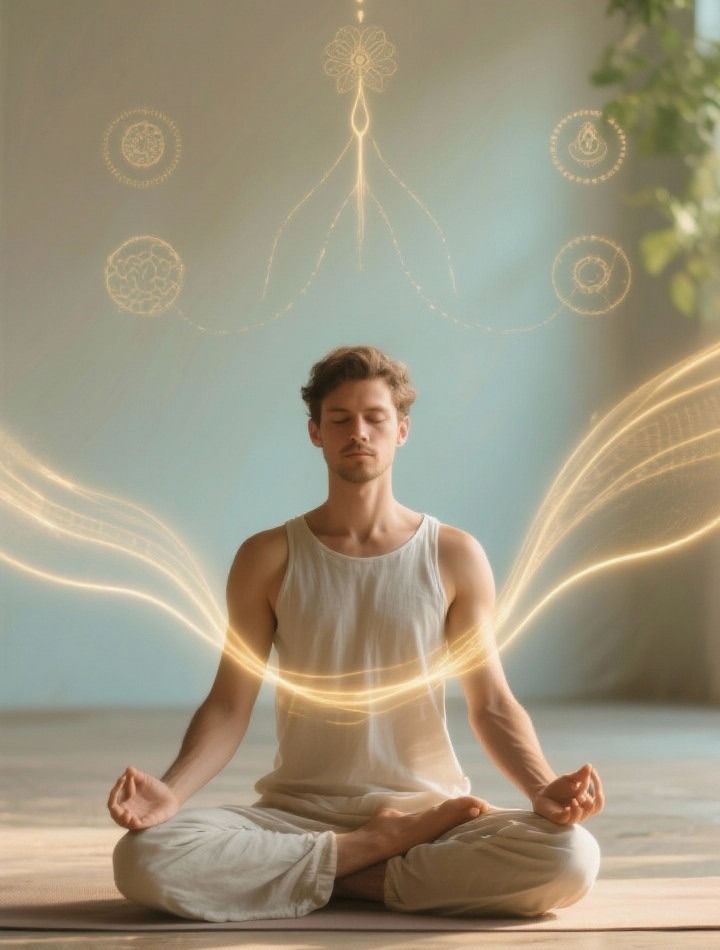
Asana – The term “asana” simply means any state of the body. One of the ancient yoga texts, the Hatha Yoga Pradipika, states: “Being the first accessory of Hatha Yoga, asana is described first. It should be practised for gaining steady posture, health and lightness of body.” In the famous yoga treatise Yoga Sutra by Sage Patanjali, asana is described as “that position of the body which is comfortable and steady.” Likewise, many more opinions about asana exist.
Based on these perspectives, asana can be categorised as follows:
- Asana as any state of the body
- Asana as a state of the body to gain physical benefits
- Asana as a state of the body which aids
1. Asana in Three Categories
Asana as any state of the body
In daily life, we assume various postures depending on our activity: standing, sitting, lying down, twisting, and so on. These movements influence our anatomy and physiology. For example, standing for a while creates one kind of physical and mental experience, while lying down or sitting produces another.

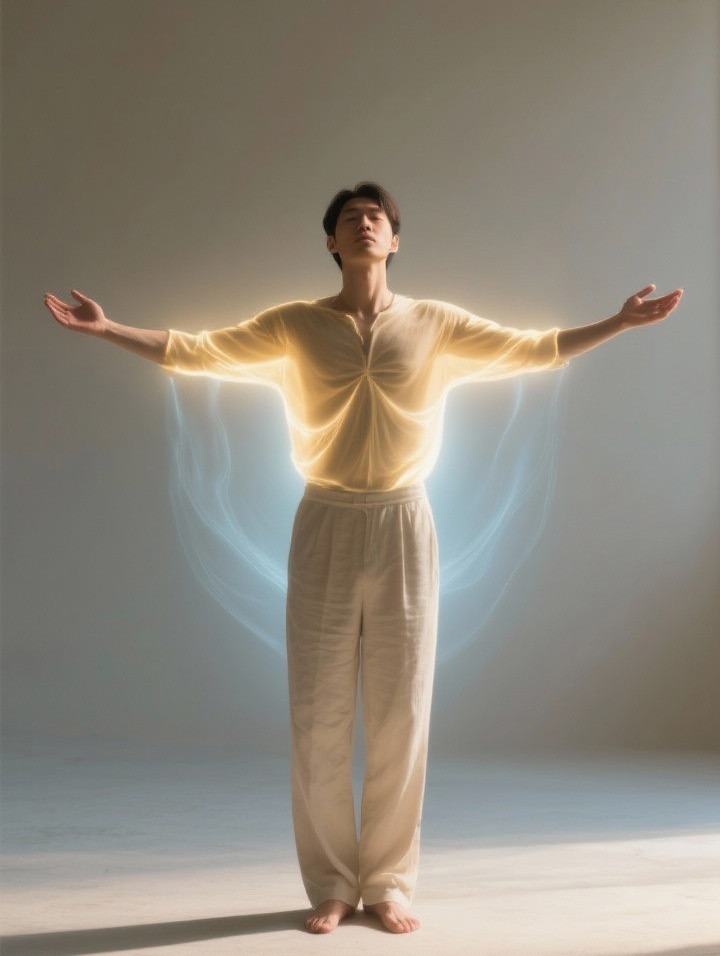
By carefully observing these states of the body, we can notice the changes they bring. Whether we practise yoga or not, our lives are filled with postural shifts that affect us on muscular, chemical, nervous, mental, and emotional levels. A simple test illustrates this:
- Open your arms wide and allow the ribcage to expand.
- Then bring your arms together and let the ribcage contract.
The first posture makes one feel open, vigorous, fearless, and light. The second creates a sense of heaviness, withdrawal, or even depression. By being mindful of our natural postures throughout the day and night, we can better understand how asana shapes our state of being.
2. Asana as a state of the body to gain physical benifits
The yogis of the past observed not only human postures but also the movements of animals and patterns in nature. From this, they developed systematic asanas to open energy channels and psychic centres. These postures became tools


for exploring body, breath, mind, and subtler states of awareness.
Physically, asanas stretch, massage, and stimulate the pranic channels and internal organs, improving health and vitality. Modern scientific research has also shown that asanas help prevent disease, reduce stress, and even support recovery from psychosomatic conditions.
Although ancient texts describe hundreds of asanas, today we practise only a fraction of them. Yet even these few are sufficient for health, wellbeing, and spiritual growth. Common examples include Bhujangasana, Shalbhasana, Dhanurasana, Shashankasana, and Shirshasana
3. Asana as the state of the body which helps with introspection
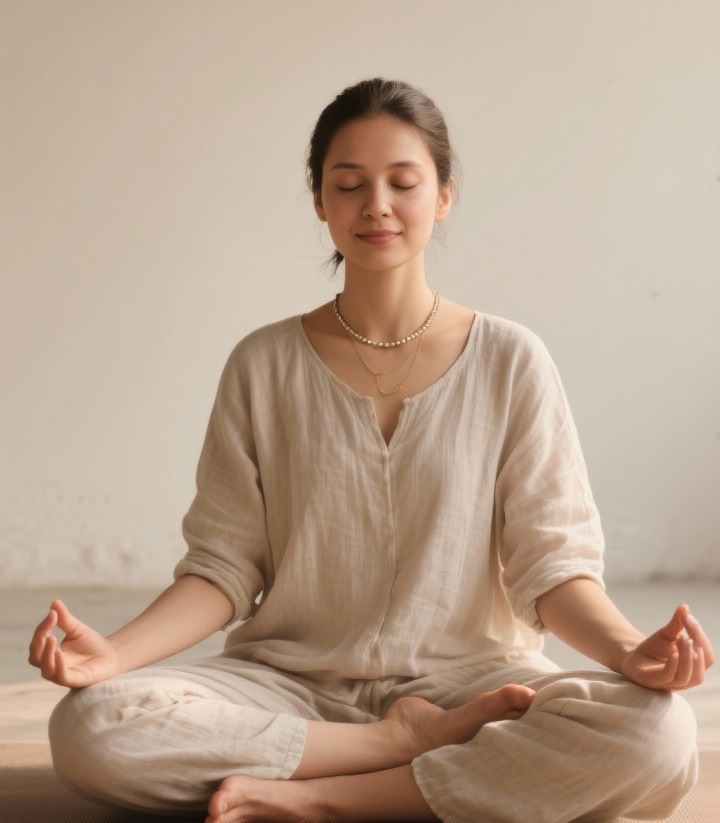
Beyond physical benefits, certain asanas harmonise psychic centres, energy channels, and mental balance. These postures prepare one for meditation and entry into Raja Yoga. By developing the ability to sit steadily and comfortably for extended periods, the practitioner cultivates deeper concentration and inner stillness.
Yoga philosophy reminds us that body and mind are not separate. The gross form of the mind is the body, and the subtle form of the body is the mind. Practising meditative asanas integrates the two, making them vital for advanced stages of yoga.
In Patanjali’s Yoga Sutra, the word “asana” is often interpreted as referring specifically to these meditative postures—those that create stillness and pleasant steadiness of body for a long duration. Examples include Padmasana, Siddhasana, Swastikasana, and Sukhasana.

Asanas in Tradition and Modernity
Texts such as the Goraksha Sataka and Hatha Yoga Pradipika identify 84 asanas. The Hatha Ratnavali offers a different list, describing several in detail.
In the 20th century, teachers such as Yogendra, Kuvalayananda, and Krishnamacharya brought a new system of asanas that combined traditional Hatha Yoga with exercise methods. Krishnamacharya’s students, including Pattabhi Jois and B.K.S. Iyengar, popularised these practices in the West. While this spread yoga globally, it also shifted asanas towards being seen mainly as physical exercise, sometimes losing their deeper yogic essence.
Conclusion
Asanas are an essential part of yoga. They are few in number, but each should be chosen carefully according to individual needs and practised in proper sequence. When required, asanas can be adapted into variations for those with special conditions or physical limitations.
However, not every physical exercise or posture taught today under the name of “yoga” is truly an asana. Fast-paced flows or movements without awareness risk reducing yoga to mere exercise. As students of yoga, it is important to understand the true purpose of asanas and implement them mindfully in daily practice.
Hari Om Tat Sat!
Source – Ancient texts of Yoga; words of Swami Sivananda, Swami Satyananda, Swami Niranjanananda Saraswati; and personal study.

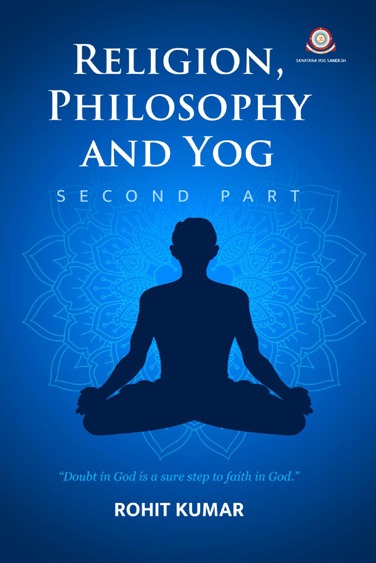
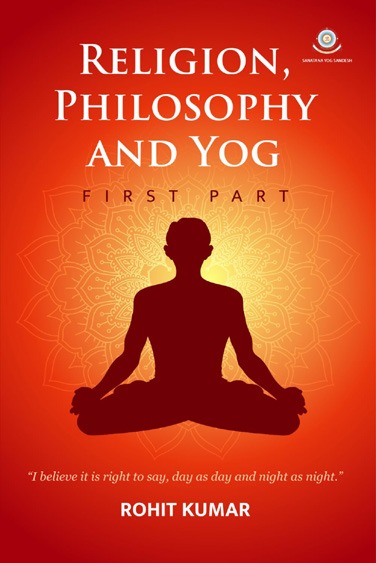
Books by Ravi Kumar
Available via major online retailers‘

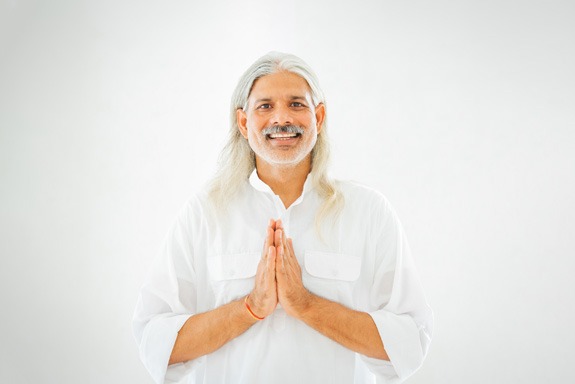
Rohit Kumar was born in Bihar, India, and introduced to Yoga and Meditation at a young age. Drawn to both Yoga and Tantra, he pursued these practices alongside his academic studies, gaining deep insight into living in harmony with nature. Inspired by the transformative power of Yoga, he began sharing its wisdom with sincerity and compassion. Rohit has taught extensively across southern India, Asia, and Europe, witnessing firsthand the universal relevance of Yoga and its therapeutic benefits for people of all ages.
Words: Rohit Kumar