The History, Physicality, Mystery and Opportunity

The History of Sound
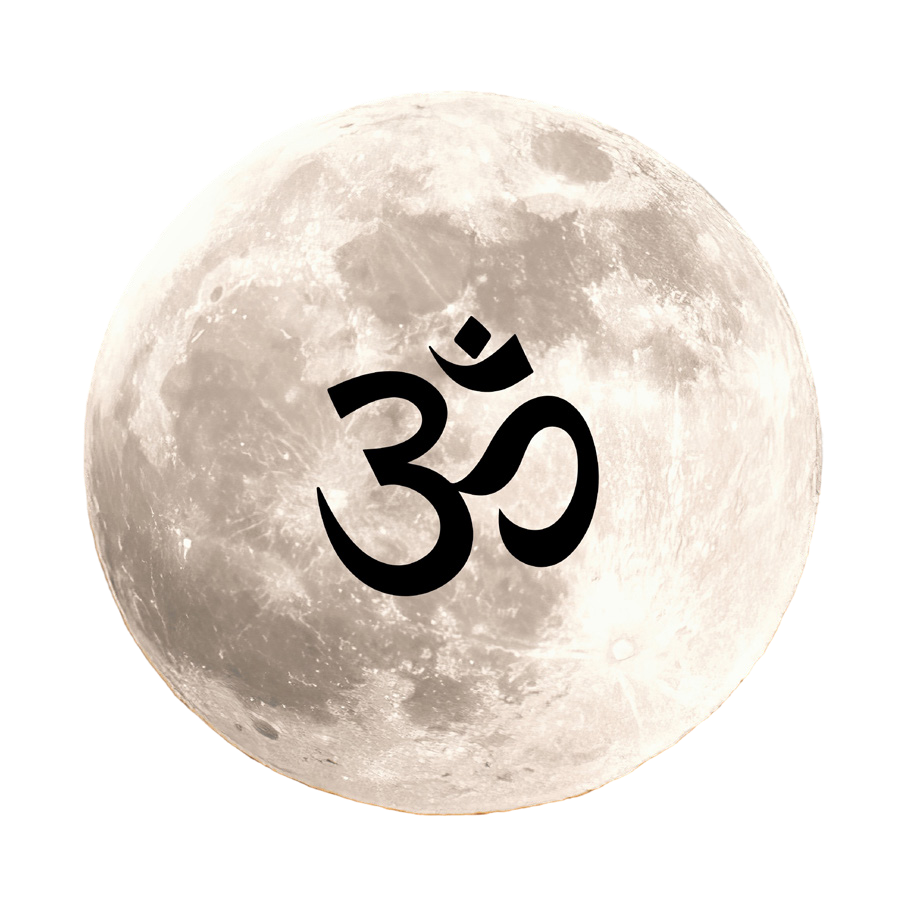
Sound is one of the most ancient energies we have at our disposal. It first arose in the universe when dark and light were created. The first sound may well have been the deep resonance from the belly of the universe—the all-encompassing sound of Aum—which bridges the gap between dark and light and the vibrations are felt keenly in our body when we chant. Sound is an extraordinarily creative force and ranges in volume from the deep energy of silence to almost unbearable levels of intensity.
Sound also ranges in complexity, from one solitary note to a cacophony of many. It is impossible to escape. Even if we cannot hear or are asleep, sound waves still penetrate our physicality, much like chemicals or polluted air affect us. Sound is everywhere—it is found in nature, in physical objects, and in technology. It comes from within us—our breath, our heartbeat— as well as from the world outside.
For thousands of years, humans have harnessed sound and its vibrations. There are theories that the Egyptians could channel the power of sound to move the stone blocks used to build the pyramids.

They also used sound in rituals and healing temples as well as undertaking sophisticated surgery— sound may well have supported this.
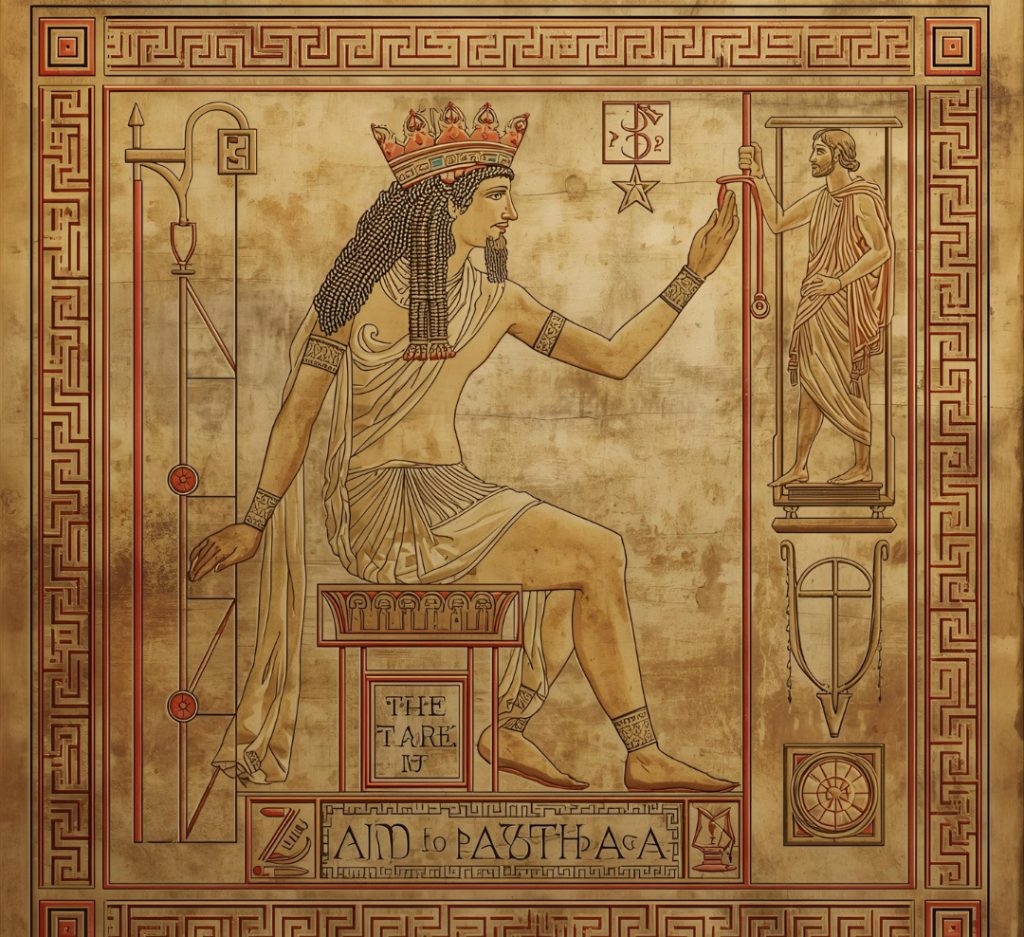
The ancient Greek philosophers, such as Pythagoras, explored mathematical relationships in musical tones, laying the foundations for acoustics. He also studied how musical intervals could affect emotions and wellbeing, forming the basis for the concept of “musical medicine.”
Indigenous cultures worldwide have long used chanting, bells, and drumming to connect with the earth, allies, and otherworldly spirits. In
doing so, they sought to honour these energies, restore harmony, and bring healing—which essentially comes from restoring power.
In Eastern traditions, particularly within Hinduism and Buddhism, mantras and
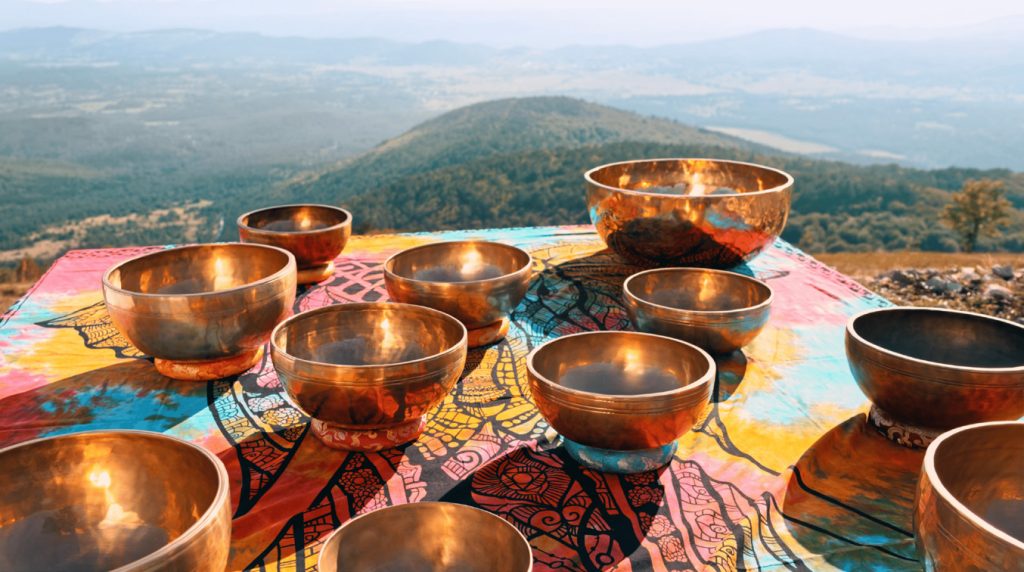
instruments such as gongs and singing bowls have long been employed for meditation and to promote physical and spiritual
alignment.
These historical practices demonstrate a deep understanding of sound—both globally and since the dawn of time— as a force that can harmonise and restore balance to mind, body, and spirit.
Birds and animals also use sound to communicate—the alarm calls of the blackbird, the roar of a lion asserting supremacy, or the cry of a baby calling for help. Many different sounds, each with its own unique meaning.
Today, sound plays a crucial role in communication, entertainment, science, and technology, with ongoing innovations in acoustics, audio engineering, and sound design. The potential for sound healing is immense, and modern scientific studies are beginning to catch up with what the ancients always knew: the power of sound.

The Science of Sound
Different sounds create different emotional responses within us. For example, sirens, traffic, or explosions evoke one kind of response, while birdsong or waves crashing on the seashore evoke a very different one. Some responses are uniquely personal—shaped by our experiences for example, one person may interpret sounds of the jungle as being beautiful and natural, whereas another might hear the shriek of an ape as being akin to that of a scream. Other responses are universal – we all respond with high alert to a siren.
Cymatics
Cymatics is the study of how sound vibrations can organise matter into physical patterns. Sound is played over sand, water, or fine powder, and the particles shift in response. The results are astounding, ranging from simple geometric shapes to complex mandala-like designs. The higher the frequency, the more intricate the patterns, revealing a direct link between vibration and form.
From a spiritual perspective, cymatics is often seen as evidence of the hidden harmony of the universe. The patterns are reminiscent of sacred geometry, suggesting that vibration may be a fundamental creative force behind life and consciousness itself—connecting back to the original sound of Aum. Cymatics provides a visible bridge between ancient wisdom and modern science, inviting us to consider that the cosmos itself may be structured through resonance.

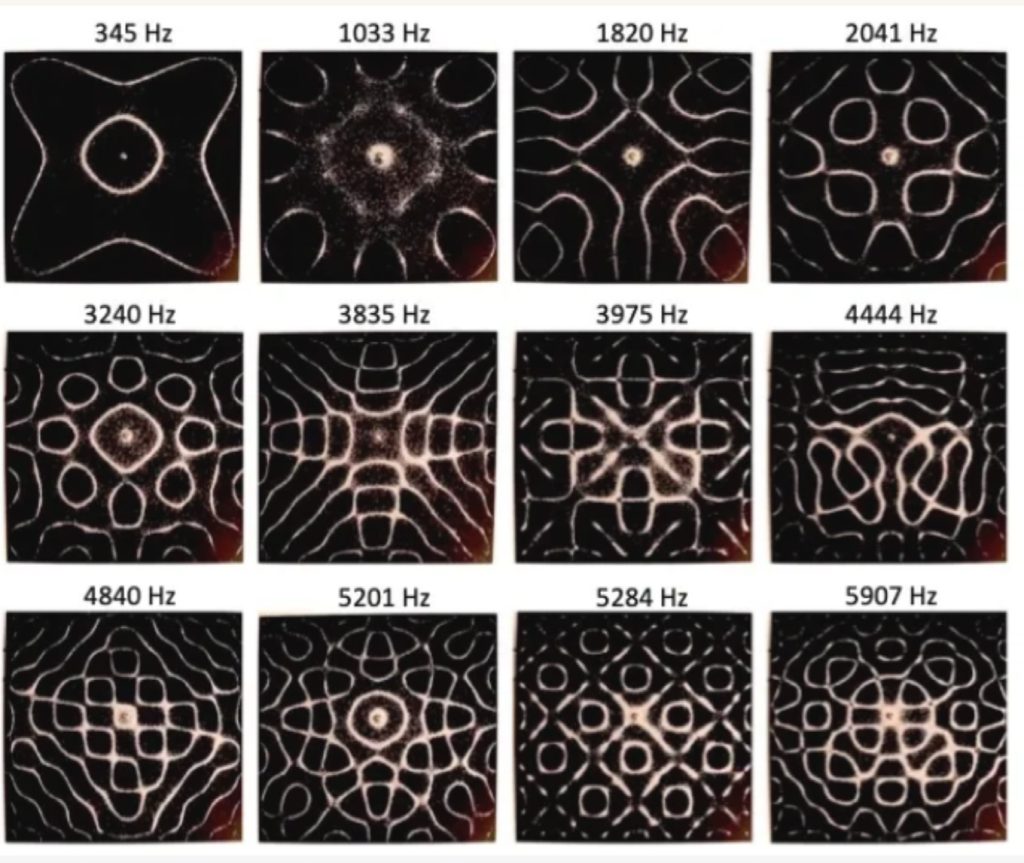
The study of cymatics is directly relevant to us: as beings composed largely of water and matter, each of our cells responds to sound, creating unique patterns within.

Physicality – How the Body Interprets Sound
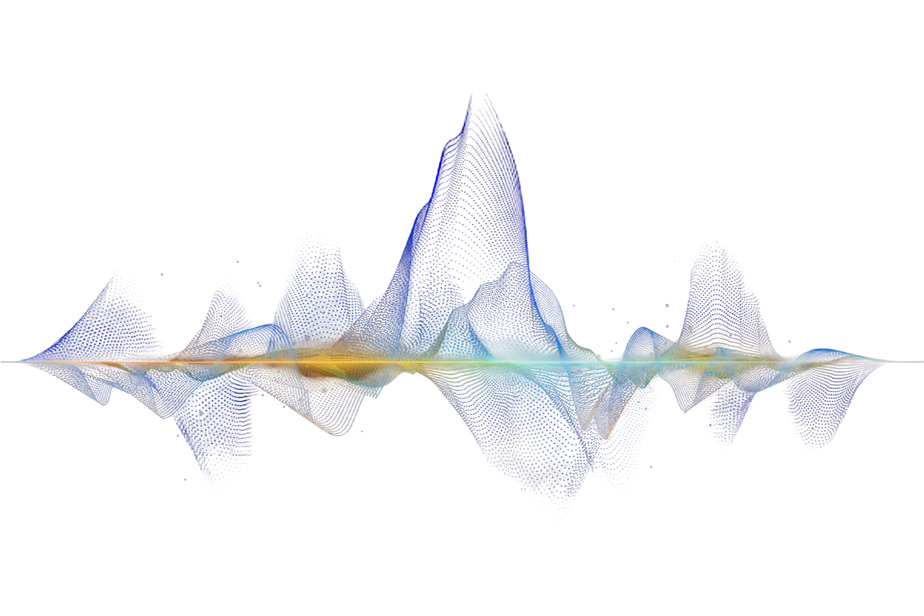
Sound is detected by the ear and transmitted to the brain, where one region—the amygdala—performs an emotional assessment and triggers the release of hormones. When a sound stimulates stress hormones such as cortisol or adrenaline, the body’s sympathetic nervous system is activated. This is more commonly known as the fight-or-flight response, which evolved to help us react quickly to predators and other dangers.
While modern threats are different, our responses remain the same and are hard-wired. The heartbeat quickens, muscles tense, blood pressure rises, and we become hyper-alert to danger. This state of stress was never meant to be our natural condition, yet our amygdala has become overstimulated — exacerbated by “scary” noises such as traffic, alarms, and sirens. As a result, stress and anxiety have become common and even normalised. This high-alert state profoundly impacts wellbeing— affecting mood, stimulating anxiety or depression, and reducing joy and creativity. In the long term, it can also damage physical health, lowering immunity and contributing to chronic conditions such as cardiovascular disease, diabetes, and inflammation.

Pain Relief
The deep vibrations of sound therapy can ease muscular tension and pain. Studies have even found benefits for conditions such as fibromyalgia, arthritis, and chronic pain.
Balances Energy Centres
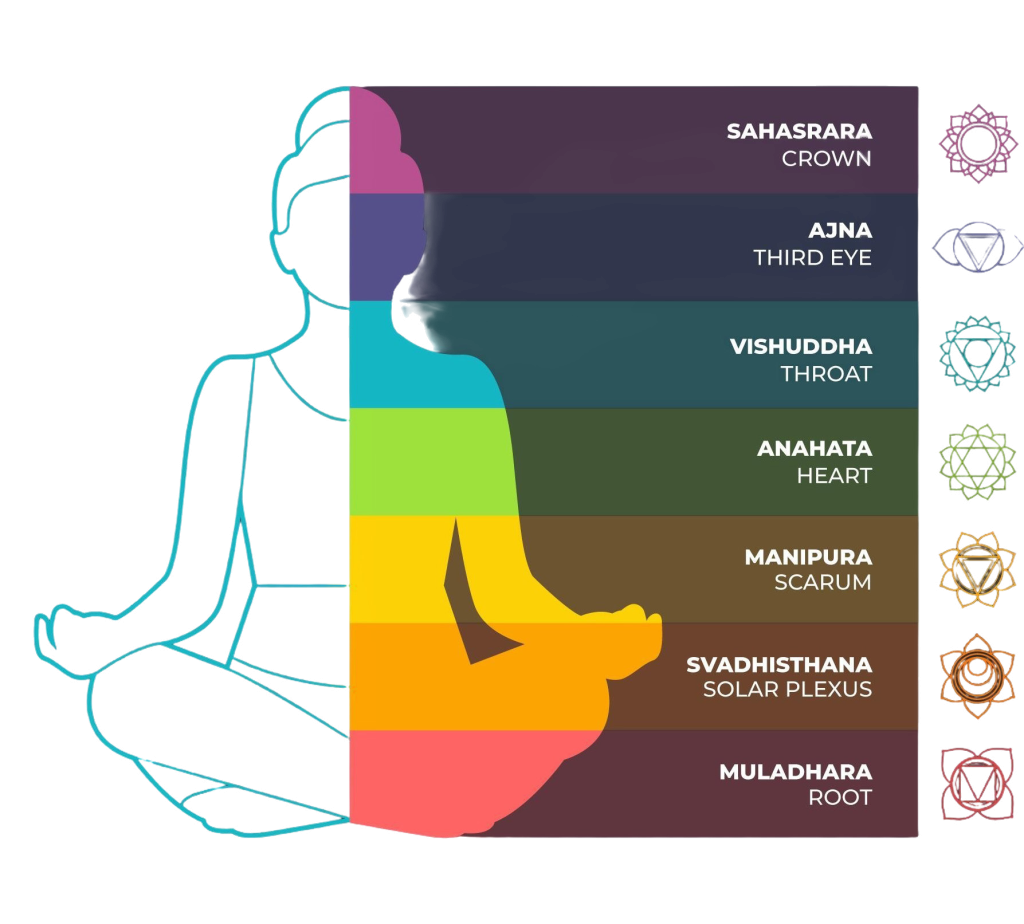
Traditions teach that sound aligns the body’s energy centres, or chakras. Each frequency resonates with a specific chakra, restoring balance and vitality.
Boosts Mental Clarity and Focus
Sound healing helps quiet mental chatter, improving concentration, creativity, and problem-solving. This is why many artists, students, and professionals turn to sound for mental clarity.
Physicality – The Opportunities
In contrast, immersing ourselves in soundscapes that stimulate the parasympathetic nervous system can bring immense opportunities for healing and restoration.
Reduces Stress and Anxiety
Sound healing quickly calms the nervous system. Vibrations support the release of oxytocin (the “bonding” hormone) and reduce cortisol levels, easing stress and nurturing a sense of love, connection, and peace.
Promotes Deep Relaxation
Sound, through rhythm and frequency, can move brainwaves into slower states such as alpha and theta—associated with meditation, creativity, and rest. Unlike traditional relaxation techniques, sound bypasses mental chatter, allowing effortless entry into deep relaxation.
Improves Sleep Quality
For those struggling with insomnia or restless nights, sound healing helps slow the heart rate and quiet the mind, preparing the body for sleep. It may also support melatonin release, helping regulate sleep cycles.
Enhances Emotional Wellbeing
Encourages Spiritual Growth For those on a spiritual path, sound healing can deepen meditation, enhance intuition, and foster connection with the universe or higher self. Sound can release emotions we struggle to express in words. Vibrations often unlock trapped feelings, leading to lightness, joy, and greater connection to self and others.
Supports Physical Healing
Sound vibrations travel through the body, stimulating circulation and detoxification. Some studies suggest that certain frequencies reduce inflammation,
encourage cellular repair, or resonate with specific organs. While not a replacement for medical treatment, sound healing can complement physical recovery.
Encourages Spiritual Growth
For those on a spiritual path, sound healing can deepen meditation, enhance intuition, and foster connection with the universe or higher self.


Long-term Effects of Sound Healing
Like stretching muscles over time, sound healing goes deeper with practice. Regular sessions normalise relaxation, increase creativity and joy, and may help prevent stress-related long term health conditions such as high blood pressure, cardiovascular issues, etc.
Modalities of Sound Healing
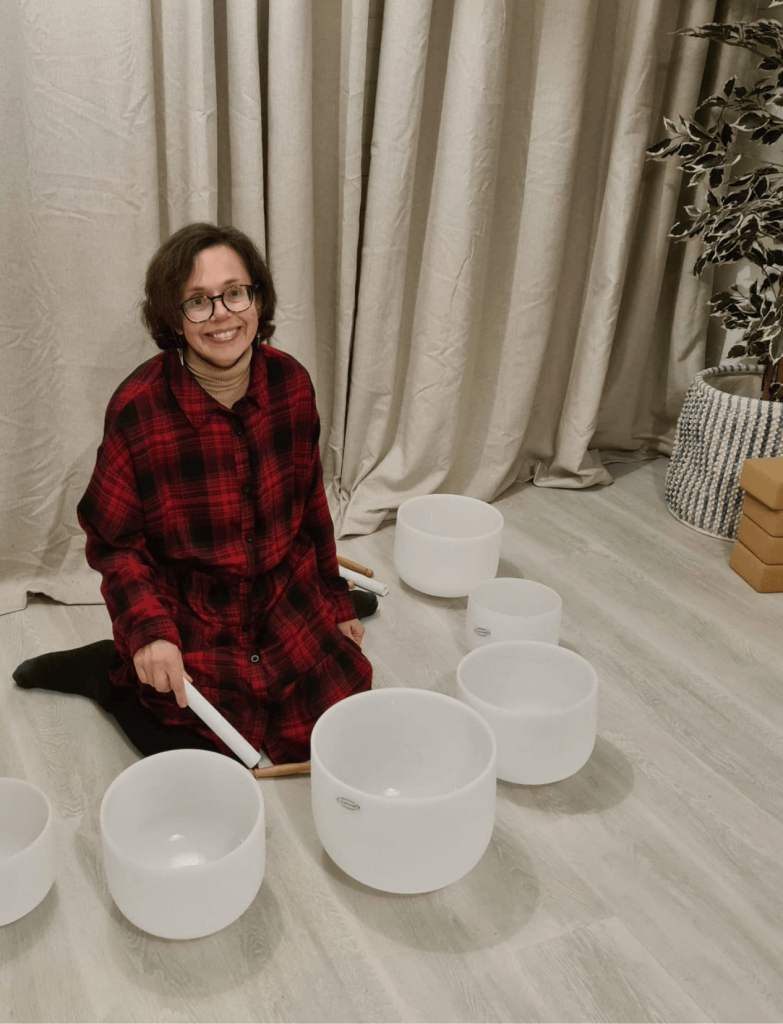
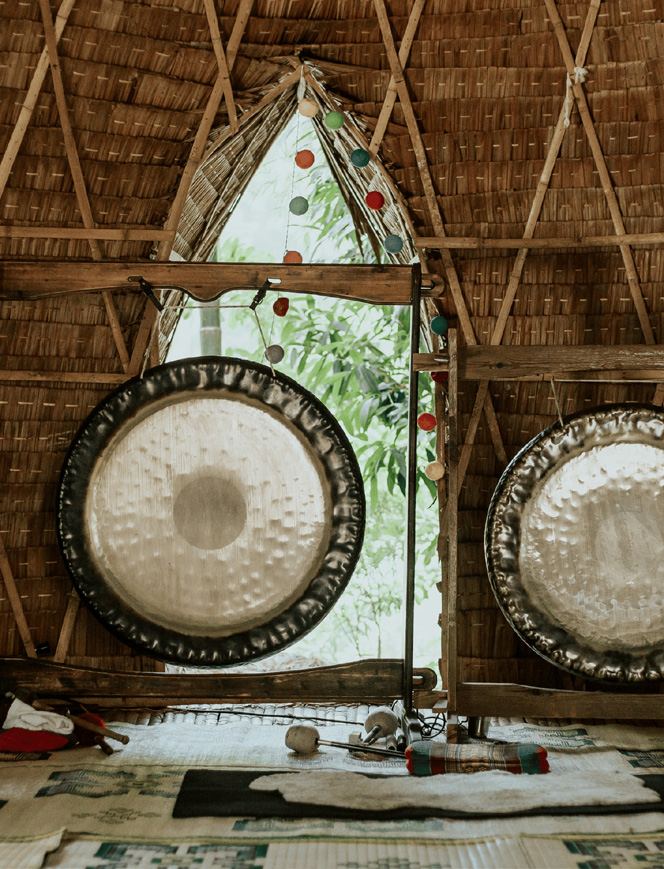
My preferred modality is the crystal sound bowl, though this is a personal choice. Others prefer the deep, intense resonance of gongs or others respond to the metallic tones of Tibetan bowls. Each has its own unique power and potential but all work within the medium of sound and the healing potential therein.
How to Experience Sound Healing
Sound healing can be experienced one-to-one but is most often offered in group settings. In groups, the energy is amplified through community. Individual experiences harmonise, creating a heightened, synergistic effect. One person’s clearing can subtly impact another, deepening the collective healing. Another person’s intention will spark a hidden dream in another.


Experiencing Sound Healing for Yourself
Sound healing is a gentle yet profound way of bringing about deep transformation, without attachment to stories or mental barriers.
It’s so easy to enjoy a soundbath, all you need to do is lie down (or sit down if that is more comfortable) and make yourself comfortable and cosy with blankets and cushions and allow the sound waves to wash over you.
You may lose sense of time and space and feel quite disorientated afterwards so it is recommended that you have some water to hand and as gentle a time as possible afterwards. Some people can feel the vibrations move through their body for several days to come, the healing power can continue to give. Other people notice better sleep, a calmness, more creativity, more joy and a general feeling of togetherness or wholeness.
Why not try different sessions— gong baths, crystal bowl baths— and discover which medium and practitioner resonates with you?
By doing so, you embrace not only one of humanity’s oldest healing modalities but also one infused with magic, mystery, and the timeless power of sound.





Belinda Chavasse is an experienced energy healer and teacher based in Eastbourne, offering both in-person and remote sessions to clients worldwide. Fascinated from an early age by energy, spirituality, music, and geometry—and how these interconnect—she has long observed the harmony of patterns within music and music within patterns.
Her journey began with Reiki, studying both Usui and the more traditional Jikiden Reiki. She later trained in shamanic practices with Simon Buxton in the UK and Alberto Villoldo of The Four Winds, before discovering sound healing—a practice she finds beautifully balances the depth of shamanism with the simplicity of Reiki. The transformative power of sound continues to inspire her, revealing new layers of healing and insight.
Deeply connected to nature, Belinda listens to the wind, sea, and birds, allowing the universe to speak through stillness and movement. Through her practice, Helix Healings (www. helixhealings.co.uk), she focuses on reprogramming DNA structures through energy healing, helping people reconnect with their truth, inner strength, and personal power.
Words: Belinda Chavasse