Returning to Wholeness in a Fragmented World

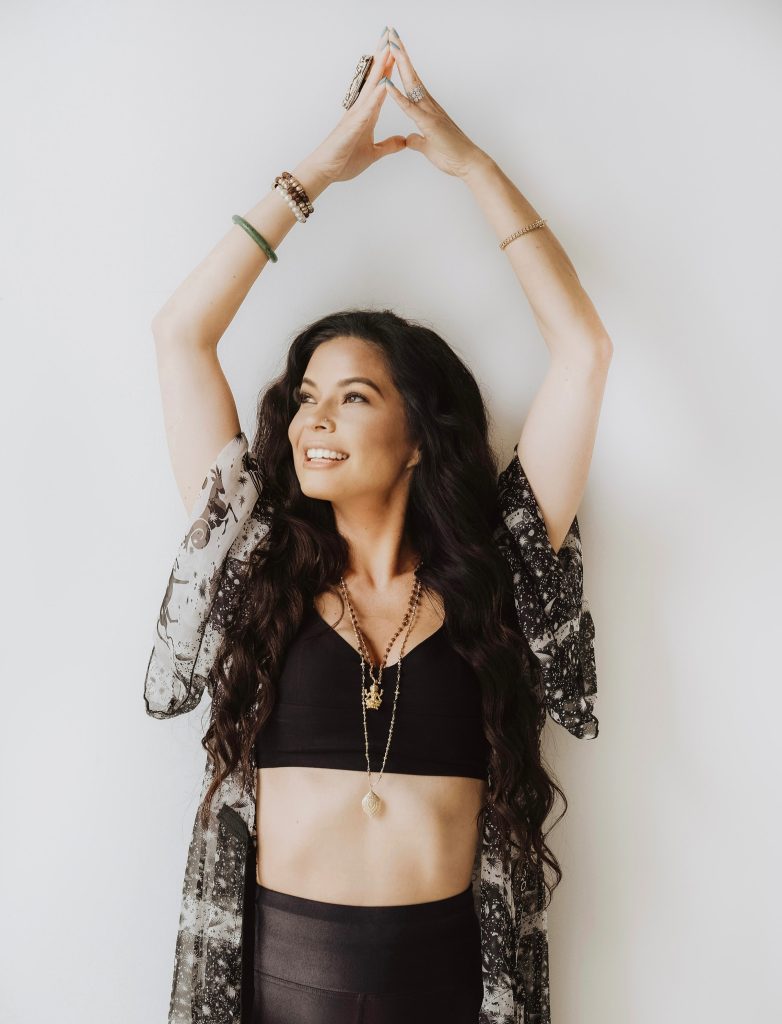
In the rhythm of our modern world— schedules overflowing, nervous systems overstimulated, and souls often longing for deeper connection—the ancient wisdom of Taoist Medicine rises like a lantern in the dark. It is an invitation back into harmony with the great Tao, the way of nature, reminding us that true healing is not found in quick fixes or external validation, but in re-alignment with the flow of life itself.
For thousands of years, Taoist sages and medicine women observed the natural cycles of the Earth, the dance of Yin and Yang, and the elemental patterns that weave through all existence. They discovered that by living in accordance with these cosmic rhythms, human beings could cultivate vitality, emotional equanimity, and spiritual awakening. Taoist Medicine is not merely a system of herbs, acupuncture points, or qigong postures—it is a living cosmology of balance, presence, and embodiment.
And in these modern times—when humanity stands at the threshold of both planetary crisis and evolutionary possibility—we need Taoist Medicine more than ever
Lineages That Live Within Me
As I write these words, I bow to the lineages that flow through my own blood and soulstream. My Vietnamese heritage connects me directly to the great Taoist traditions that spread through China and into Vietnam, where Buddhist, Taoist, and indigenous practices blended into a unique tapestry of medicine and mysticism. My mother carried strands of this wisdom in her being, and her untimely departure from this world cracked me open into the deeper questions of existence—grief becoming the doorway to purpose.
In my path as a global medicine woman, I weave Taoist roots with Buddhist psychology, Mayan and Peruvian lineages, and Western neuroscience.

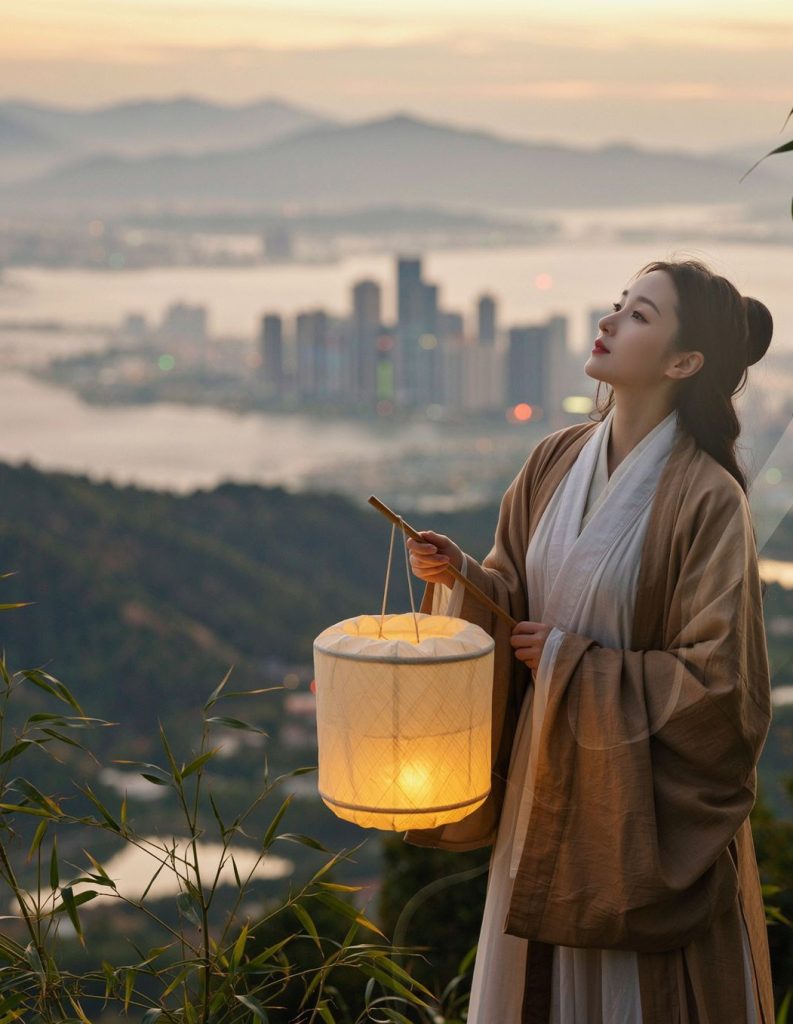
I stand as a bridge between East and West, ancient and modern, mystical and scientific. Through my work, I invite seekers to journey inward—not as an escape from the world, but as the highest calling of our times: to embody sovereignty, wholeness, and awakened leadership in service to the planet.
It is in this role—as a bridge and a keeper of lineages—that I feel called to share how Taoist Medicine can guide us through the challenges of our era.
Taoist Foundations: Yin, Yang, and the Flow of Qi
At its heart, Taoist Medicine understands that life is energy—Qi, the vital force, moving through all forms. When Qi flows freely, health emerges. When it is blocked, deficient, or excessive, imbalance and illness take root.
This flow is governed by the dynamic interplay of Yin and Yang: the receptive and the active, the lunar and the solar, the still and the moving. Neither is superior to the other; both are essential aspects of the Tao. Modern society,

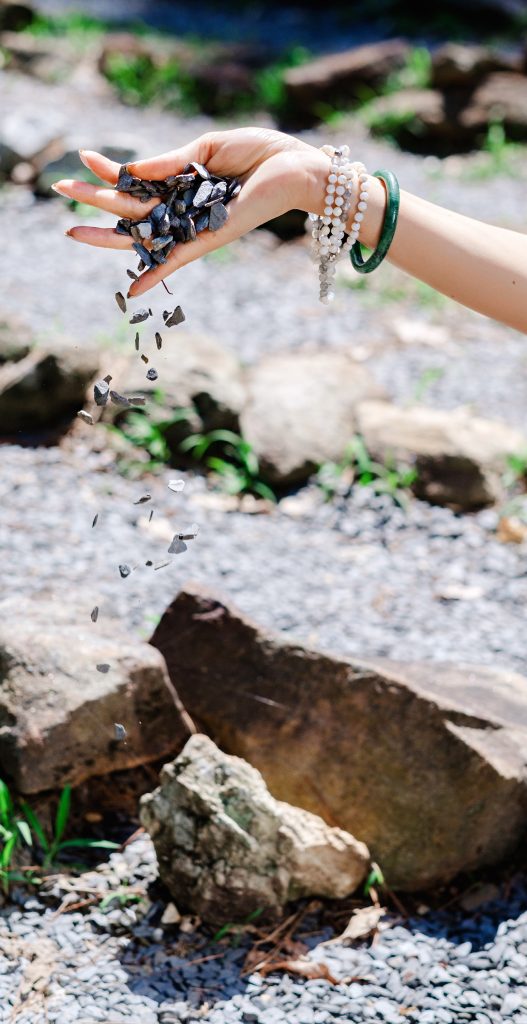
however, tends to glorify Yang—speed, productivity, outward expansion— while depleting Yin—rest, reflection, inward connection. This over- dominance of Yang has left humanity restless, exhausted, and fragmented.
To return to harmony, Taoist Medicine asks us to cultivate Yin and Yang within our own bodies and lives. This may mean honouring rest as much as action, embracing stillness as deeply as movement, and remembering that we are nature, not separate from it.
The Five Elements: A Map for Modern Healing
One of Taoist Medicine’s greatest gifts is the Five Element system—Wood, Fire, Earth, Metal, and Water. Each element expresses itself in the body, mind, and spirit, as well as in the seasons and the cycles of life. By tuning into these elements, we can diagnose imbalance and also awaken dormant strengths.
- Wood (Spring / Liver & Gallbladder): Vision, creativity, and growth. When balanced, we move forward with clarity. When stagnant, we feel frustration or anger. In modern times, Wood teaches us to release rigidity and trust the unfolding.
- Fire (Summer / Heart & Small Intestine): Joy, intimacy, and connection. In harmony, we experience authentic love and expression. In imbalance, anxiety or over excitement arise. Today, Fire reminds us to cultivate authentic presence, not performative connection.
- Earth (Late Summer / Spleen & Stomach): Nurturing, stability, and groundedness. Balanced Earth brings trust and abundance; imbalanced Earth breeds worry or over-thinking. In a time of digital overstimulation, Earth invites usback to body, nourishment, and the soil beneath our feet.
- Metal (Autumn / Lungs & Large Intestine): Integrity, boundaries, and release. In balance, we honour grief and cultivate reverence. In imbalance, we may become rigid or detached. Modern humanity’s unprocessed grief finds medicine in Metal, teaching us the sacred art of letting go.
- Water (Winter / Kidneys & Bladder): Depth, wisdom, and stillness. Balanced Water births courage and adaptability; imbalanced Water breeds fear. In our era of uncertainty, Water teaches us to trust the mystery and remember the power of silence.
These elements are not abstract—they live in our daily choices, our relationships,
our work, and our collective healing.
Taoist Medicine for Our Nervous Systems
One of the greatest epidemics of our times is nervous system dysregulation. Constant stimulation, social media, and global crises keep us in a perpetual state of fight, flight, or freeze. Taoist practices such as breathwork, qigong, and meditation were designed precisely to harmonise Qi and restore balance to the nervous system
Slow, flowing movement re-educates the body to move like water. Deep diaphragmatic breathing massages the vagus nerve, inviting parasympathetic rest. And Taoist meditation—rooted not in striving but in “wu wei,” effortless being— teaches us to rest in presence rather than chase perfection.
When I guide clients and students in these practices, I witness how quickly the body remembers. Healing is not about adding more complexity, but about returning to what is natural. Taoist Medicine offers us these simple yet profound tools.
Taoist Medicine and Emotional Alchemy
Taoist teachings also map emotions as energy in motion. Each element governs certain emotions, and when Qi stagnates, those emotions become distorted. For example, unexpressed grief weakens the lungs (Metal), and unprocessed fear taxes the kidneys (Water).
Rather than pathologising emotions, Taoist Medicine invites us to honour them as teachers. Anger can be the fire that initiates transformation. Grief can be the water that cleanses the heart. Joy, when rooted, becomes the flame that warms others.
In my therapeutic work, blending Taoist wisdom with transpersonal psychology, I guide people to alchemise emotions—transforming what feels heavy into portals of growth. This is not about bypassing pain, but about listening deeply to the messages that emotions carry.

Taoist Medicine in Leadership and Collective Healing
We often think of medicine as something personal, but Taoist wisdom extends into how we lead and create collective change. The Tao teaches us that when leaders live out of balance, entire communities suffer. When leaders embody harmony, entire ecosystems thrive.
For example, in my offering, The Legacy Current, I support leaders to embody what I call Golden Age Leadership. Here, Taoist Medicine provides a map: leaders cultivating the stillness of Water, the vision of Wood, the warmth of Fire, the stability of Earth, and the integrity of Metal. Such leadership is not extractive but regenerative, not ego-driven but aligned with the Tao of life.
This is how ancient medicine becomes modern leadership technology— helping us birth a new paradigm for humanity.
Taoist Rituals for Everyday Life
You need not become a monk on a mountain to practice Taoist Medicine. Its rituals can weave seamlessly into daily life:
- Begin mornings with three deep breaths into the belly, grounding your Qi.
- Drink warm water with gratitude to honour the element of Water.
- Move your body like a river— whether through qigong, dance, or mindful walking.
- Eat seasonally, aligning your nourishment with the rhythms of Earth.
- At night, place hands over your heart and kidneys, sending gratitude to Fire and Water.
Simple, consistent rituals restore us to the flow of Tao in the midst of modern busyness.
Why Taoist Medicine Matters Now
We are living in a time of planetary imbalance—environmental destruction, collective grief, and disconnection from the sacred. Taoist Medicine offers us not just personal healing, but a pathway for collective regeneration. When we remember that we are nature, we no longer exploit the Earth as resource; we honour Her as body.
For me, this is not theoretical—it is the core of my life’s work. From guiding psilocybin ceremonies to leading global retreats, from building regenerative healing centers to activating leaders, I hold this truth: the wisdom of the ancients is the medicine of the future
Returning to the Tao
In the Tao Te Ching, it is written: “The Tao that can be spoken is not the eternal Tao.” Words can only point. Yet as we remember and embody the Tao, we find ourselves living more authentically, more peacefully, more connected to the rhythms of Earth and cosmos.
Taoist Medicine for modern times is not about antiquity—it is about remembering. Remembering that we are already whole. Remembering that healing is not linear but cyclical. Remembering that when we align with the Tao, we align with the pulse of the universe itself.
And in that remembrance, we discover the most radical medicine of all: to live fully, to love deeply, and to serve the awakening of a new world.
Lena Franklin is a Global Medicine Woman, Transpersonal Psychotherapist & Transformational Speaker.

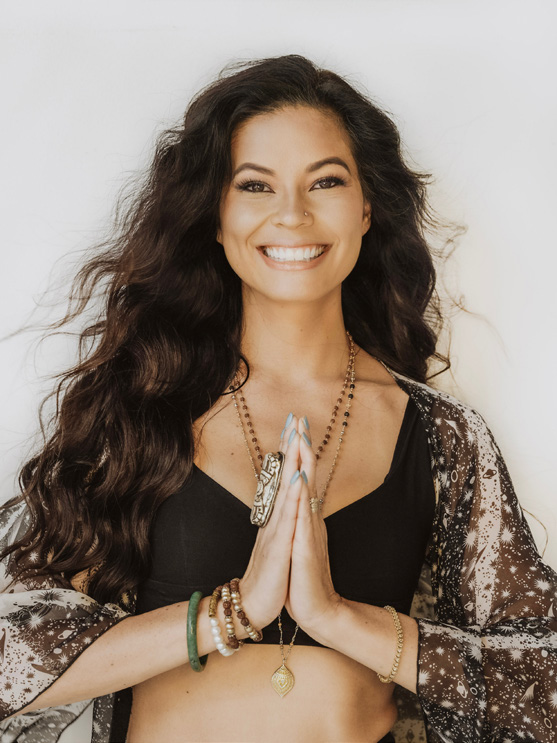
Explore her international work at www.lenafranklin.com & you can follow her work on social @ iamlenafranklin
Words: Lena Franklin