


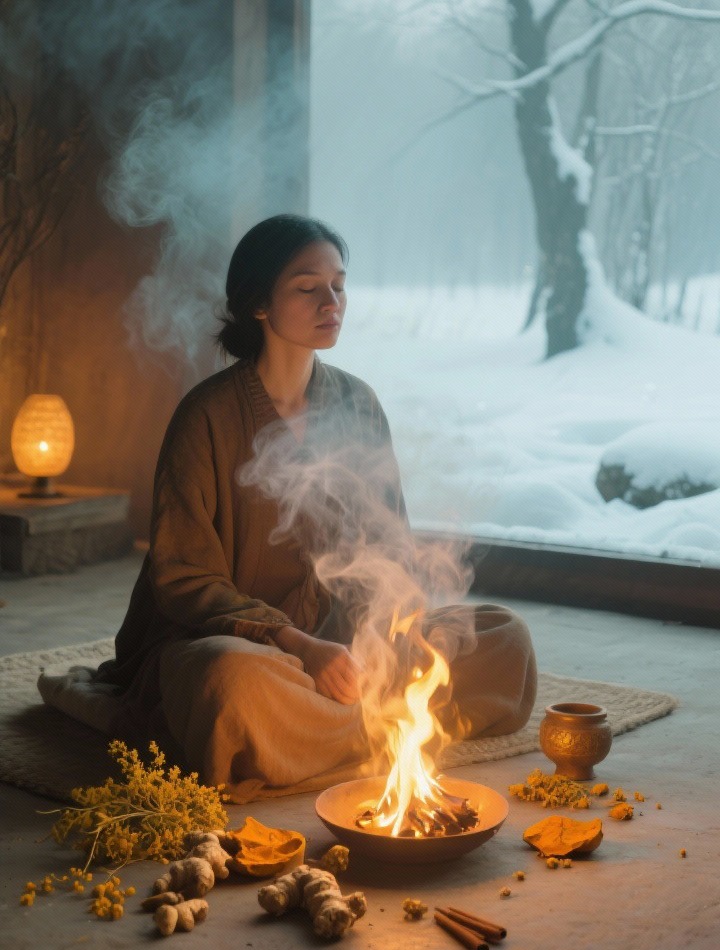
Ayurveda (from the Sanskrit āyus, meaning ‘life’, and veda, meaning ‘knowledge’) has much to teach us about our place in the cosmos, who we are and what purpose we serve. While Ayurveda and Yoga share the same roots, Ayurveda focuses on helping us understand how to live longer and healthier lives, giving us more time to awaken to our true nature. By knowing who we are, what we want and where we are going, we are inspired to live with greater energy and passion. We are eternal beings in temporary bodies that are vulnerable and prone to disease. When we are young and healthy, we tend to take our bodies for granted, but over time, realise that health and wellbeing require conscious effort to maintain.
Ayurveda draws on the richness of nature to help us stay strong. One of its key teachings is the importance of adjusting our lifestyle with the seasons to maintain balance. Winter is the most challenging season: it is cold, dark, and damp, qualities that work against our nature as warm-blooded animals.
Ayurveda draws on the richness of nature to help us stay strong. One of its key teachings is the importance of adjusting our lifestyle with the seasons to maintain balance. Winter is the most challenging season: it is cold, dark, and damp, qualities that work against our nature as warm-blooded animals.
In winter, agni works harder to
maintain balance, so its activity
increases. Its seasonal rhythm differs
from its daily one: over the course of
a day, agni follows the sun, peaking
around midday and dipping as the
sun goes down. This is why traditional
wisdom suggests that your biggest
meal should be lunch and that you
should stop eating soon after dusk.
As warm-blooded beings, we need
substantial food
to sustain ourselves, and in winter, we need even more because the body burns more energy to keep warm. The reduced sunlight means our internal energy stores rely more on nutrition from food, which is why we naturally crave heavier, more filling meals.
In ayurvedic terms, kapha dosha – the water and earth elements – increases in winter. Kapha is heavy, cold and solid, and if it increases too much, we may feel lethargic, tired and unwilling to do anything.
To help mitigate the effects of kapha and support the function of agni in the winter months, here are five practical tips to follow:
1. Eat Hot, Cooked Food
In summer, salads are appealing, but in winter, we naturally crave warm meals. This is not just about seasonal availability, but also about the nature of the food. Salads are cold, moist and harder to digest, placing extra strain on the body. By cooking food, we help our body break it down into a simpler form, making it easier for the body to use. Even though agni is stronger in the winter, it still benefits from support, helping our body and mind get the fuel
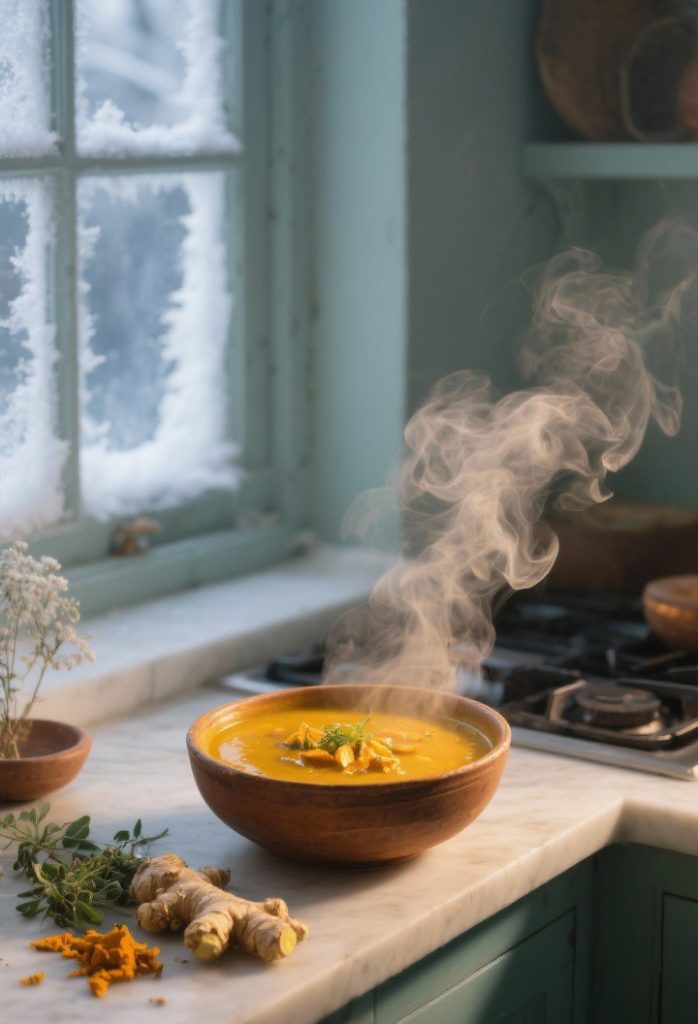
they need.
2. Use Warming Herbs and Spices
Ginger is the queen of spices: it is deepana, meaning it kindles agni, and pachana, meaning it can break down and digest toxins. Other winter spices include cardamon, turmeric, black pepper, mustard and cinnamon. Small amounts of cayenne may be used, but cayenne pepper can be overstimulating and disturb vata dosha, so should be used in moderation unless your body is accustomed to it.

Gentle Daily Exercise Staying active in winter is essential, or the body can become stiff. Exercise feels easier in warm weather because the atmosphere is lighter, but maintaining your yoga practice in winter, going for regular walks in nature, and breathing in fresh, cool air, support the body. Cold causes tissues to contract, so take care not to overdo it: your immune system is already working hard to keep you well. Winter adjustments to yoga practice can include:
Asanas or postures that lift the arms above the head, like Warrior 1 or Tree pose. This raises your heart rate, warms the body, and encourages deeper breathing by opening the ribcage and activating the diaphragm.
Short, vigorous rounds of Kapālabhātī (skull-shining breath) or Bhastrika (bellows breath) will invigorate you and reduce the tamasic heaviness that tends to creep up on us in winter.
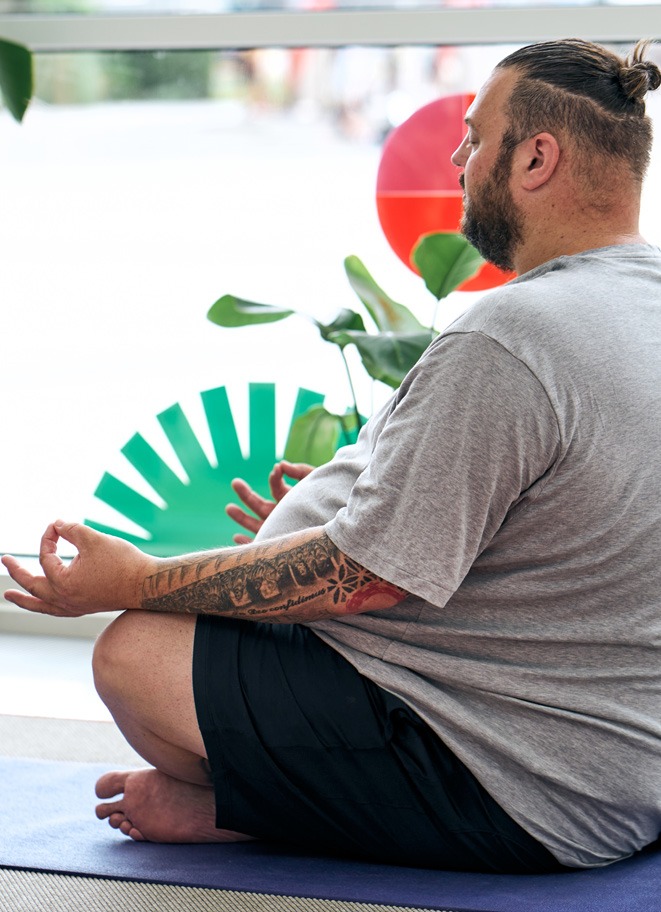
How to perform Kapālabhātī -Sit comfortably with a straight spine.
-Take a deep breath in, then forcefully exhale through your nose, pulling your belly in sharply.
-Let the inhalation happen naturally without effort. -Repeat quickly for a short burst (10–20 breaths).
How to perform Bhastrika
-Sit upright and relaxed.
-Take a strong, quick inhale through your nose, then a strong, quick exhale, using your diaphragm to pump the breath.
-Keep the rhythm steady, like bellows fanning a fire.
-Do 10–20 rounds, then breathe normally.
A few rounds of dynamic movement will help free the spine and joints. This can be in the form of the classical sun salutation or say, three or four standing poses linked with a vinyasa or connecting sequence. Variety – keep your mind agile by introducing small changes, like alternating between long and short holds or shuffling the sequence around so the standing poses come last.
Regularity – it is easy to fall off the wagon in the winter because everything feels heavier and we can easily sink into a low mood because of the lack of sun. Aim to practice daily if you can, even if it’s brief. Don’t force yourself into anything because that will cause mental stress; instead, gently encourage consistency.
4. Meditate
Winter is an invitation to turn inward. The heavier qualities of earth and water (kapha) are conducive to a more stable mind, providing a good foundation for inner meditative work. Unlike the warmer months, when we are drawn outside, winter offers stillness, darkness and a slower pace, perfect for meditation.
There are different ways to meditate. Here are a few ideal ways for making the most of those dark, cold days. Try each one for five minutes and choose the one that resonates with you.
Winter is an invitation to turn inward. The heavier qualities of earth and water (kapha) are conducive to a more stable mind, providing a good foundation for inner meditative work. Unlike the warmer months, when we are drawn outside, winter offers stillness, darkness and a slower pace, perfect for meditation. There are different ways to meditate. Here are a few ideal ways for making the most of those dark, cold days. Try each one for five minutes and choose the one that resonates with you.
Candle Gazing (Trataka) In the evening, once the sun has set, light a candle and position it so that the flame is level with your eyes. You may need to place it on a chair or a few blocks. Gaze steadily at the brightest point of the flame. After a while, close your eyes and observe the afterimage that appears in the space
between your eyebrows. When the image fades, open your eyes and repeat. Alternatively, you can visualise a burning candle at your eyebrow centre and focus on that image instead.
Nada Yoga (Yoga of Sound) Sit comfortably in a quiet space. Close your ears with your thumbs and rest your fingers lightly on your head. Listen closely to the subtle inner sounds that arise – they may resemble flutes, drums or gentle humming. With practice, you’ll be able to tune into these sounds without covering your ears.
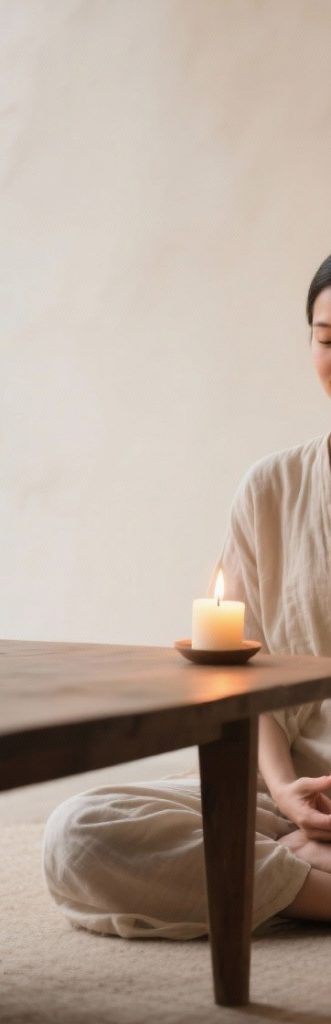

Heart Meditation
Visualise yourself breathing slowly and evenly through your heart centre. Imagine your heart as a vast, radiant space filled with love and compassion — limitless, peaceful, and eternal.
5. Cultivate Love
Kapha draws matter together through the magnetic force of love, making winter an ideal time to nurture yourself and cherish your loving relationships. While summer may encourage outward energy, winter encourages quiet reflection. It is a time to cuddle up with yourself and give gratitude to everything you have been blessed with in life. It is also a time to extend this care outwards: help those less fortunate in your community, offer time, kindness and support. Invest in creating meaningful connections through love and attention.
In winter, we undergo a kind of psychological hibernation. While the body rests, the soul is quietly planting seeds of action, ready to grow when the time is right. New possibilities are incubating, and you may first encounter them in your dreams, so pay attention. Lasting change often happens in small, almost imperceptible steps, only becoming clear when you look back and notice that things have shifted. These subtle changes may go unnoticed by others, but this is how growth occurs – quietly in the shadows, until one day it bursts on the scene for all to see. Every moment holds its own opportunity, and one of the great blessings of yoga is that it teaches us to recognise these chances more easily, by reading the signs of nature, our mind and body, and the wider currents of our life.

for 20 years. He is a Yoga Teacher Trainer and Short Course Tutor for the BWY and holds an honours degree in Ayurveda. He has taught thousands of students over the years and trained dozens of teachers. He is the author of “Ayurveda in Yoga Teaching” and is currently working on his next book, “The Spiritual Laws of Yoga”, which will be out in 2026. He is also a psychosynthesis counsellor and will start offering consultations and sessions in central London from January 2026. For more information about his work, please visit: www.yogawell. co.uk
Discover Ayurveda This Winter Join Tarik Dervish at the BWY Winter Solstice Festival on Friday 19 December and explore how ayurveda can help you stay balanced through the colder months. Tarik joins an inspiring line-up of speakers and practitioners, with sessions including meditation, yin yoga for winter, Scaravelli-inspired yoga to awaken the inner body and a gentle restorative practice to close the day. Tickets from £50. YOGA Magazine readers get 10% off with the code WS10. Valid until Monday 8 December.
Words: Tarik Dervish, BWY Course Tutor, Author & Psychosynthesis Therapist




Leave feedback about this