


Cultivating Emotional Resilience Through Yin Yoga
Words: Tess Rohrig
Introduction: Resilience as a Practice, Not Just a Trait
Emotional resilience is often misunderstood. It is not simply the ability to endure hardship or push through discomfort—it is the art of responding rather than reacting, of navigating life’s challenges with awareness and grace. In a world driven by speed, Yin Yoga offers a counterpoint: a space where stillness becomes a teacher, guiding us toward deep emotional stability. Through long-held postures, mindful breathing, and the exploration of sensation, Yin Yoga cultivates presence in the face of discomfort, helping us meet emotions—fear, frustration, grief, uncertainty— without resistance. Science supports what ancient wisdom has long known: resilience is not built in avoidance but in acceptance.
The Nervous System and Emotional Regulation
How Stillness Affects the Nervous System
The human nervous system is wired for survival. When faced with stress or uncertainty, the sympathetic nervous system—our fight or-flight response—dominates, preparing the body to react. Yet true resilience is found not in constant readiness for battle, but in the ability to shift between states, activating the parasympathetic nervous system, which governs rest, repair, and emotional equilibrium. Long-held yin yoga postures encourage this parasympathetic activation, inviting deeper breaths, slower heart rates, and a profound sense of calm. This shift signals safety to the body and mind, allowing emotional responses to soften rather than escalate.
Fascia: The Emotional Archive
Recent discoveries in fascia—the connective tissue surrounding muscles and organs—reveal a stunning truth: emotional experiences are stored in the body, woven into the fabric of our physical form. Trauma, stress, and unresolved emotions imprint themselves in the fascia, creating restrictions that can manifest as both chronic tension and reactive emotional patterns. Through sustained, mindful stretching, Yin Yoga offers an opportunity to release these emotional imprints. As layers of tension dissolve, practitioners often find themselves confronting suppressed emotions—grief resting in the hips, frustration locked in the shoulders, fear nestled in the spine. Meeting these sensations with presence fosters resilience, teaching the body and mind to process rather than suppress.
Yin Yoga as an Emotional Resilience Practice
Learning to Stay: The Power of Presence
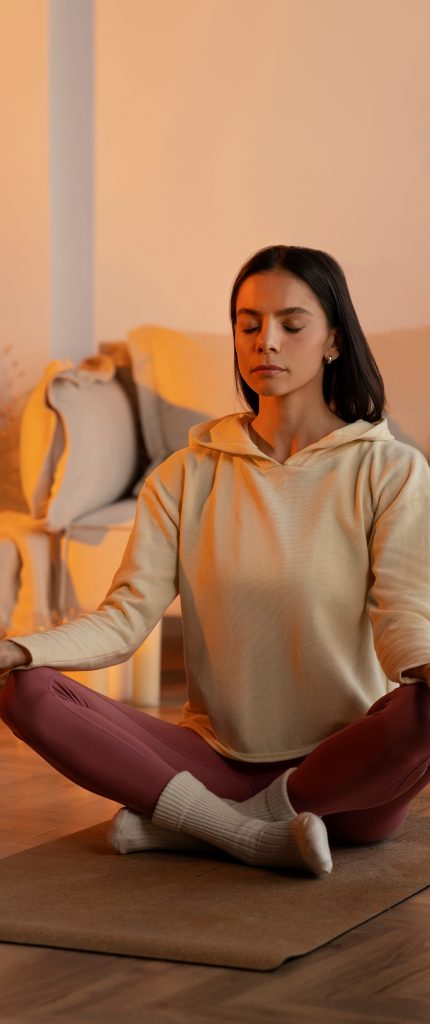
Resilience is not built in avoidance—it is cultivated through staying, through witnessing discomfort without immediate reaction. In Yin Yoga, we hold postures for several minutes, allowing space for emotions to surface rather than be pushed away. The practice teaches essential skills:
- Recognising discomfort vs. harm – Discomfort signals growth; harm signals the need for retreat. Learning to distinguish between the two fosters inner strength.
- Observing without attaching – Sensations and emotions arise, shift, and dissolve. Yin yoga cultivates the ability to witness them without clinging or resisting.
- Breathing through challenge – When intensity arises, the breath becomes an anchor, guiding the nervous system toward regulation rather than panic.
These skills extend beyond the mat, influencing how we engage with challenges, relationships, and stress.
Practical Applications: Yin Yoga for Emotional Strength
Key Postures for Emotional Release and Resilience
Certain yin yoga postures are particularly effective in emotional processing and resilience-building:
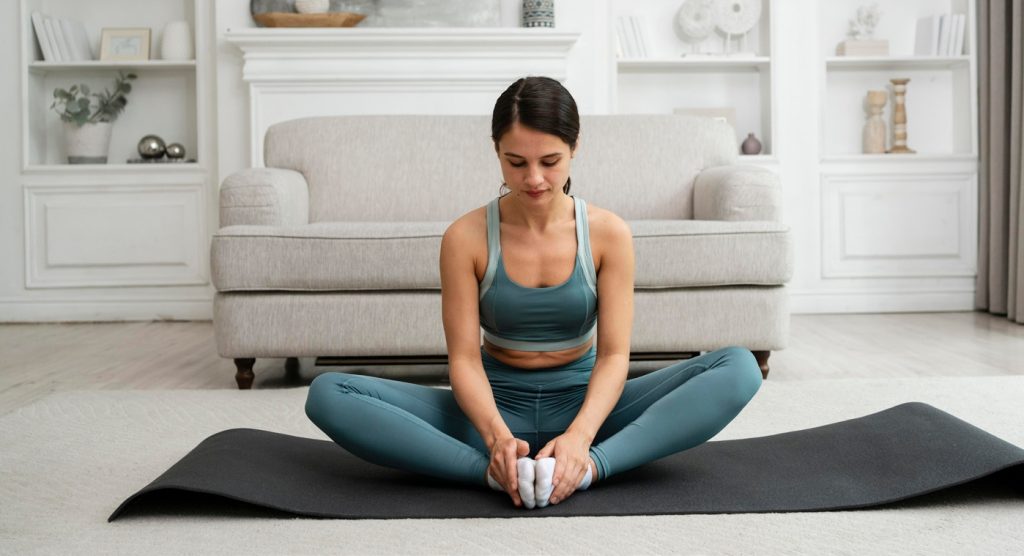
- Butterfly (Baddha Konasana) – Opens the hips, a known storage point for deep emotional memory. Encourages introspection and surrender.
- Sphinx Pose (Salamba Bhujangasana) – Gently stimulates the heart space, inviting emotional openness and release.
- Melting Heart (Anahatasana) – Expands the chest and shoulders, creating space for vulnerability and courage.
- Dragon Pose (Utthan Pristhasana) – A deep hip opener known for bringing suppressed emotions to the surface, encouraging presence in discomfort.
Integrating Emotional Resilience Beyond the Mat
The effects of Yin Yoga extend beyond the practice itself. Cultivating emotional resilience involves daily integration:
- Pausing before reacting – Noticing impulses before acting fosters a considered response rather than an instinctive reaction.
- Breathing as an anchor – Using conscious breathwork during stressful moments shifts the nervous system into a state of balance.
- Honouring emotions without judgment – Emotions are not weaknesses; they are signals. Meeting them with curiosity rather than resistance strengthens resilience.
Conclusion: The Strength in Surrender
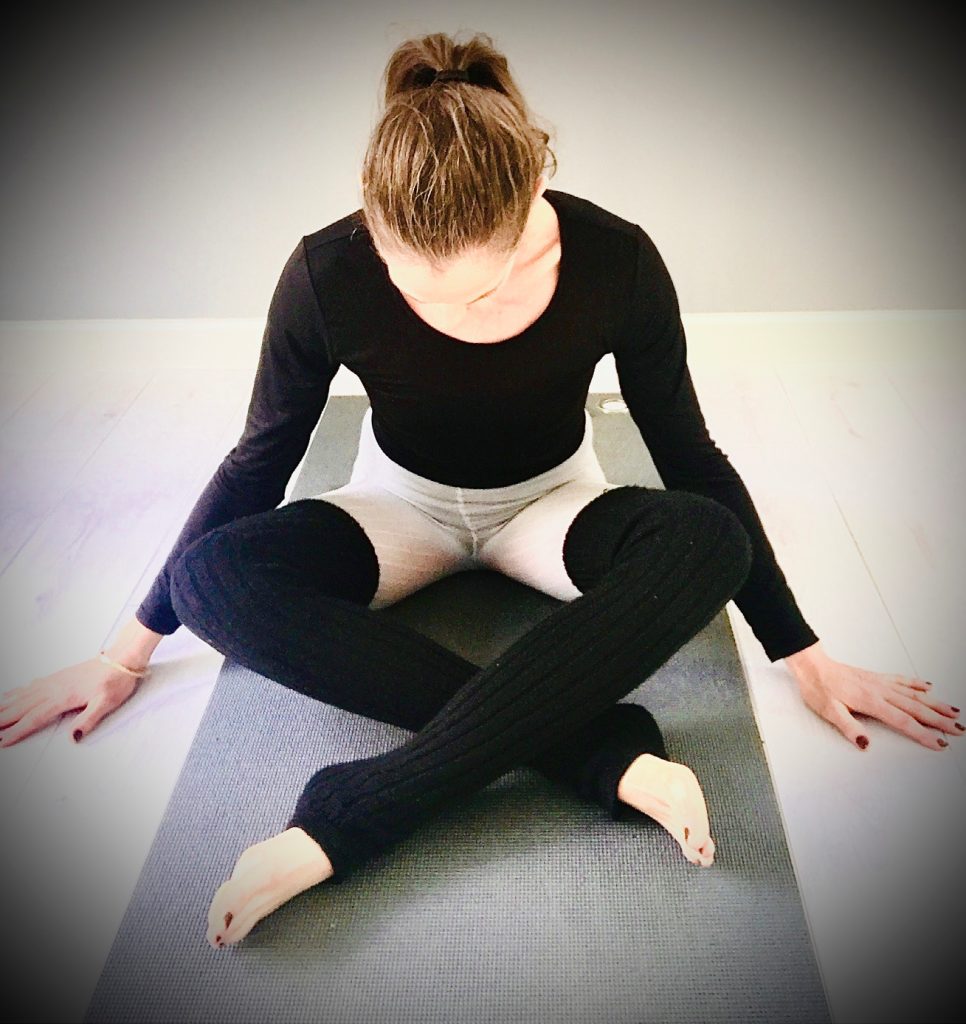
Resilience is not about numbing discomfort—it is about learning to sit with it, to observe rather than react, to soften rather than resist. Yin Yoga offers a path to this understanding, blending physiological transformation with deep emotional intelligence.
In stillness, we find our strength— not through control, but through presence. And in presence, resilience is born.
Website: https://www.tessarohrig.com


Leave feedback about this