


Why comprehensive training is essential to maintain integrity in yoga therapy
Words: Natalie Lyndon, Yoga Therapist & BWY Communications Officer
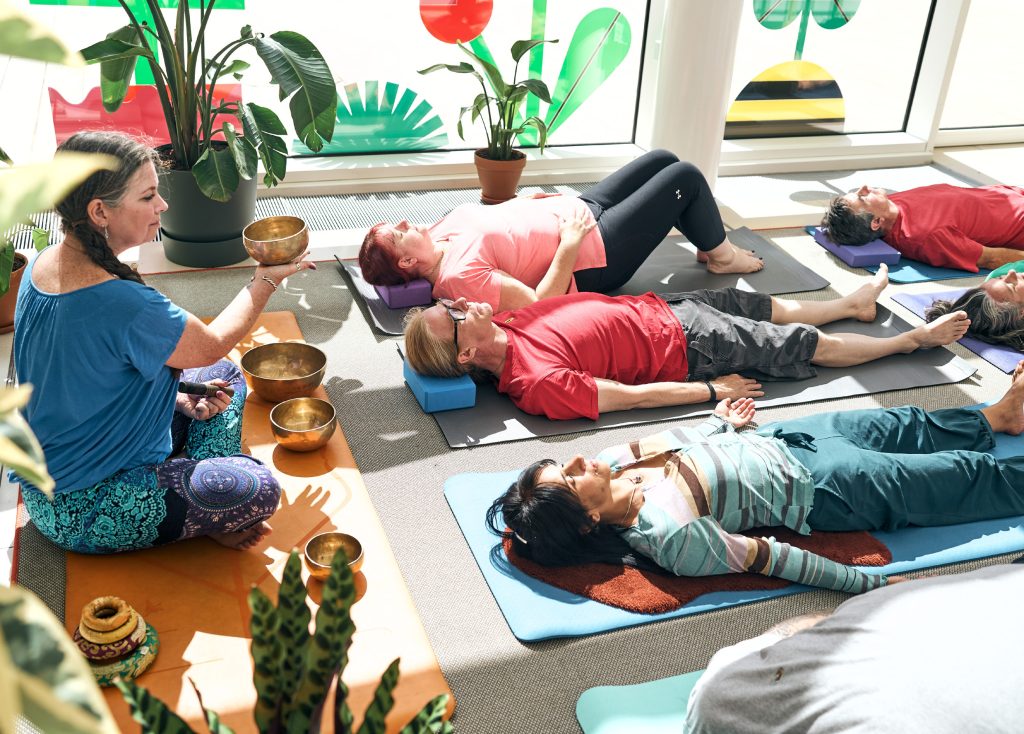
Imagine walking into a yoga session where the teacher does more than demonstrate postures – they truly see you. They might recognise that tension in your shoulders stems from chronic stress, that your shallow breathing patterns reveal underlying anxiety or that the way you move tells a story of both challenges overcome and battles still being fought. This deeper, more personalised approach isn’t wishful thinking – it’s yoga therapy.
From hospital cancer wards to GP surgeries, from trauma recovery centres to your local community hall, yoga therapy is revolutionising how we approach healing. But as this powerful practice gains recognition, an important conversation is emerging about what makes it truly effective and safe.
A tailored approach
to healing
If you’ve ever left a yoga class feeling like something was missing or wondered why certain postures felt wrong for your body, you’ve touched on what makes yoga therapy different. The real difference isn’t about slowing down a regular class or offering easier modifications; it’s that yoga therapy is a tailored approach to healing, typically offered on a one-to-one basis.
In yoga therapy, there’s no predetermined sequence everyone follows. Your session begins with deep listening. A qualified yoga therapist takes time to assess and understand your unique story: your physical challenges, emotional landscape, energy patterns and personal goals. From there, they craft a treatment plan that feels safe, supportive and empowering – designed specifically for you.
This might mean breathwork to calm your nervous system, gentle movements to ease chronic pain or mindfulness practices to help process grief. It’s yoga as medicine, tailored to your exact needs.
The science behind
the practice
What makes this personalised approach so powerful? Modern research is revealing fascinating insights about how yoga affects our bodies and minds. Pain science shows us that chronic discomfort isn’t just physical – it’s deeply connected to the nervous system, emotions and past experiences.
“Yoga therapy doesn’t fix you – it helps you find the strength to heal yourself.”
Neuroscience research demonstrates how specific breathing techniques can help regulate and rewire our stress responses. Studies highlighted in Yoga & Science in Pain Care: Treating the Person in Pain (Pearson, Prosko & Sullivan, 2019) show that practices like paced breathing can engage the parasympathetic nervous system to calm the body, reduce anxiety and promote healing.
A skilled yoga therapist understands these connections. They know which practices might help someone with long Covid regain their energy, how to support someone processing trauma without re-triggering it or which techniques can ease the anxiety that often accompanies chronic illness. But this level of understanding doesn’t happen overnight.
The training controversy
Recently, some organisations have begun offering 100-hour yoga therapy certifications. While this might sound like good news as more accessible training means more therapists, right? Many in the yoga therapy community are deeply concerned. yoga mag Think about it this way: would you trust a counsellor who’d trained for a few weekends? Or expect a physiotherapist to understand complex movement patterns after a short course? The human body and mind are intricate and working with people in vulnerable states requires extensive knowledge and skill.
The difference between comprehensive training and these shorter courses is profound. A 100-hour programme might cover the basics, but it cannot possibly provide the depth needed to work safely and effectively with complex health conditions, trauma or psychological challenges. This superficial training risks creating practitioners who lack the nuanced understanding essential for therapeutic work, potentially causing harm to vulnerable clients.
What comprehensive training really involves
Professional yoga therapy training typically requires at least 550-600 hours of study, including supervised practice and mentorship. This extensive preparation isn’t excessive; it’s necessary for the complexity of the work. Here’s what comprehensive training involves:
Deep anatomical understanding:
how do different body systems interact? What happens when someone has fibromyalgia, multiple sclerosis or is recovering from surgery? Thorough training covers these complexities, teaching therapists to recognise contraindications, understand how yoga could interact with medications and adapt practices for specific conditions.
Trauma-informed practice: many people carry emotional wounds and yoga can unexpectedly trigger traumatic memories or sensations. Yoga therapists need extensive training to recognise trauma responses, create genuinely safe spaces and work with the person to co-create practices that slowly help release stored trauma. This requires understanding of nervous system regulation and trauma recovery, knowledge that takes time to develop.
Integration of ancient wisdom and modern science: the best yoga therapy bridges traditional yogic principles with current research on pain, stress and healing. This integration requires deep study to understand how ancient practices align with contemporary neuroscience, psychology and medical research.
Extensive supervised practice: real-world experience through extensive case studies with mentorship helps therapists develop the subtle skills needed for this work. Learning to read a client, recognise when to modify an approach and navigate complex therapeutic relationships cannot be mastered in a few weekends.
Professional boundaries and ethics: The relationship between client and therapist requires thorough training in ethics, confidentiality, scope of practice and professional boundaries. Yoga therapists must understand when to refer clients to other healthcare professionals, how to maintain appropriate relationships and navigate the complexities of working within healthcare systems.
The proof is in the outcomes. Yoga therapists now work alongside doctors and nurses in cancer treatment centres, pain management clinics, long Covid rehabilitation programmes and mental health services. This integration into mainstream healthcare is only possible because of rigorous training standards that healthcare professionals trust and respect.
What this means for
you
If you’re considering yoga therapy, whether as a client or contemplating training yourself, these distinctions matter enormously.
Finding a qualified yoga therapist
Check qualifications: ask about their training and qualifications to ensure they are properly trained in yoga therapy, not just general yoga teaching. Look for at least 500-600 hours of guided, specialist instruction in yoga therapy.
Look for professional registration: Ensure they are registered with recognised bodies like the British Council for Yoga Therapy (BCYT) or listed on a register of qualified practitioners with the Complementary and Natural Healthcare Council (CNHC) at cnhc. org.uk.
Understand their approach: find out how they tailor sessions to your individual needs rather than following a fixed routine.
Trust your instincts: a good therapist listens carefully and respects your boundaries. If something doesn’t feel right, don’t hesitate to ask questions or seek another professional.
Considering training yourself?
Recognise the commitment: becoming a yoga therapist means developing presence, listening skills and clinical understanding to support others on their healing journeys.
Research your trainers: investigate the experience, qualifications and background of the course trainers to ensure they’re credible and knowledgeable.
Choose training that matches your values: find a provider whose ethos, specialisms and approach align with your own interests and beliefs.
Read past student feedback: check testimonials from former students to get a sense of the course quality and impact. Remember: the most rewarding paths are rarely the shortest ones.
The future of healing
Yoga therapy is a different approach to healing – one that looks at the whole person, not just their symptoms. Unlike conventional treatments that often focus on managing diagnoses, yoga therapy explores the deeper imbalances in lifestyle, stress patterns and life circumstances that may have contributed to dis-ease in the first place. It’s a complementary treatment that weaves together ancient yogic wisdom with therapeutic techniques, helping people understand the deeper causes of illness and supporting real, lasting change. But for yoga therapy to truly help people, we must protect the quality and standards of training. This isn’t just about qualifications, it’s about people’s wellbeing, their healing and the trust they place in those who guide them.



Leave feedback about this