


Tailoring Practice for Life’s Three Grand Acts
Words: Dr. Kausthub Desikachar, PhD
Not One Yoga to Rule Them All
Picture this: a room full of people doing Yoga. One’s a bendy teen, another a mum-of-three juggling Downward Dog (Adhomukha śvānāsana) and dinner plans, and someone in the back looks suspiciously like they came just for the tea and biscuits. They’re all doing the same poses, the same breath counts, the same awkwardly long savāsana. Is that really how Yoga was meant to be?
In Viniyoga, a personalised and adaptable approach to Yoga is emphasised. It rejects the notion of treating everyone like they’re training for Cirque du Soleil. Viniyoga acknowledges that what you need at 16 vastly differs from what you need at 60. This approach is not just ancient wisdom—it is proven by modern, evidence-based research in neuroscience, physiology, and psychology.
Let’s explore Yoga for the three main stages of life as described by Nāthamuni—Brahmacarya, Gṛhastha, and Sannyāsa—and delve into not just how Yoga can support us in each but also the profound significance of mindfulness and breathing in these practices.
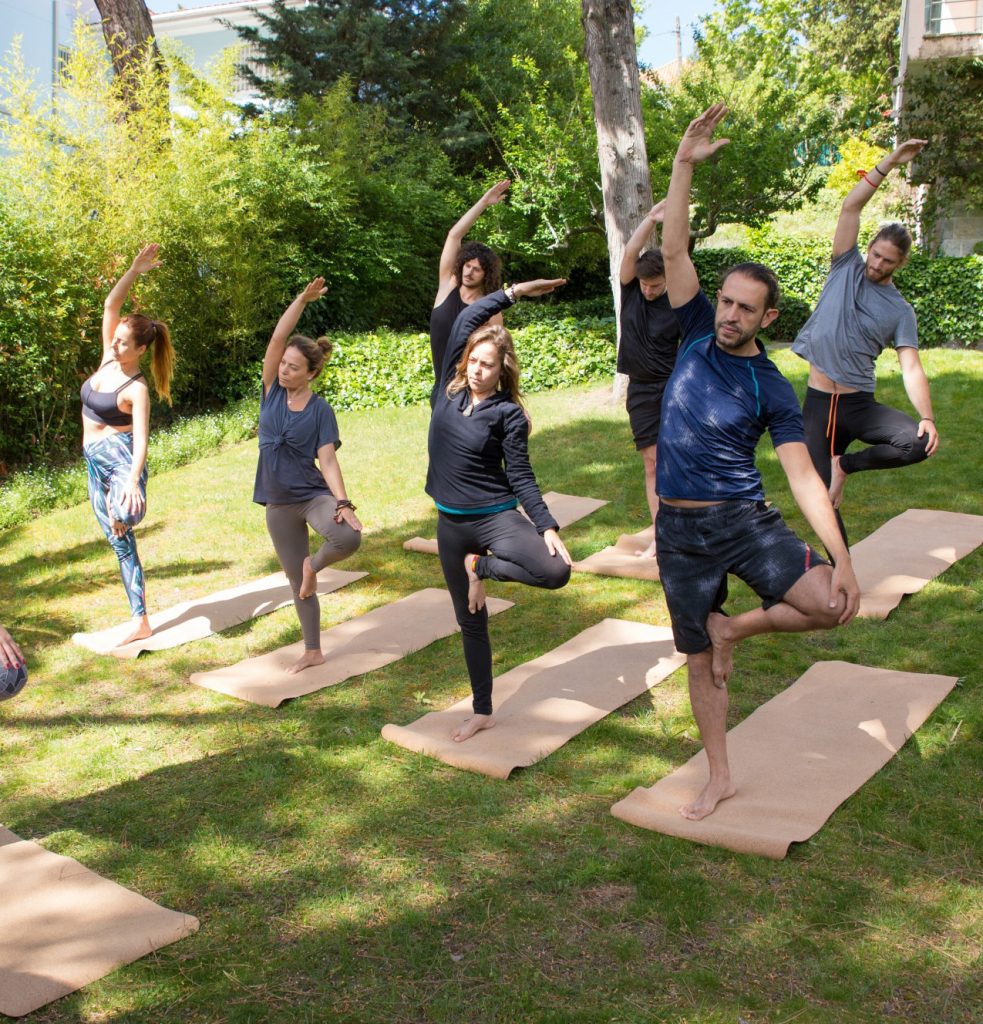
Act One: Brahmacarya (Ages 8–25) — Bending Without Breaking
Ah, the youthful years—when knees don’t creak and getting up from the floor doesn’t involve strategic planning. This is the time of growth, both physically and mentally. In the Viniyoga tradition, it’s the time to build the foundations—and the primary yogic tool is Āsana.
Brain Development &
Neuroplasticity
During this age, the prefrontal cortex (the bit of your brain responsible for decision-making, planning and impulse control) is still maturing. Movement-based practices like Āsana help with neuroplasticity—the brain’s ability to rewire itself.
A 2014 study from Harvard showed that Yoga improved executive functioning, memory, and emotional regulation in adolescents.
Muscle Memory & Motor Skills
Research from the Journal of Paediatrics also supports early physical training as a builder of neuromuscular coordination, resilience, and postural awareness. So instead of tossing kids into competitive sports alone, incorporating mindful movement builds balance, proprioception, and discipline—without trophies, shin guards, or trauma.
Viniyoga’s Prescription
With Kapha doṣa dominant, youth must get moving, build heat, and circulate that gooey, growth-oriented energy. Āsana practice helps establish body awareness and gives a grounding rhythm to a mind still forming habits and identities. Let them twist, turn, fall over and laugh. That’s Yoga too.
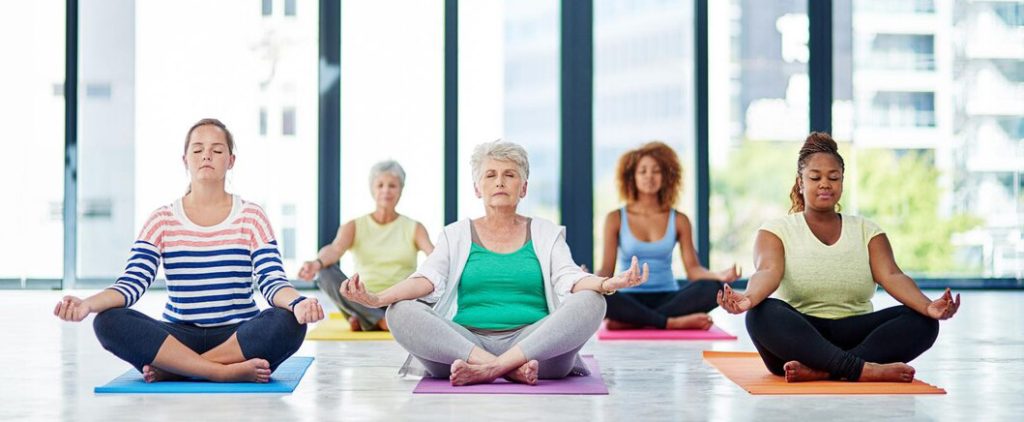
Act Two: Grhastha (Ages 25–65) – Spinning Plates and Sanity
Now we arrive at the middle stretch— the long, caffeinated, responsibility laden buffet of life: careers, relationships, child-rearing, caretaking, and trying to remember where you put your phone…keys…glasses… (sense of humour) five minutes ago. Unsurprisingly, the recommended tool here is Prāṇāyāma.
Stress Response & the Autonomic Nervous System
This is where science takes out its highlighters. Multiple studies, including those from the NIH and Harvard Medical School, confirm that breath regulation stimulates the parasympathetic nervous system—the “rest and digest” mode. It reduces cortisol (the stress hormone), lowers blood pressure, and promotes homeostasis.
A 2020 systematic review found that regular Prāṇāyāma reduced symptoms of anxiety, depression, and burnout, especially in high-stress populations (aka the entire adult demographic).
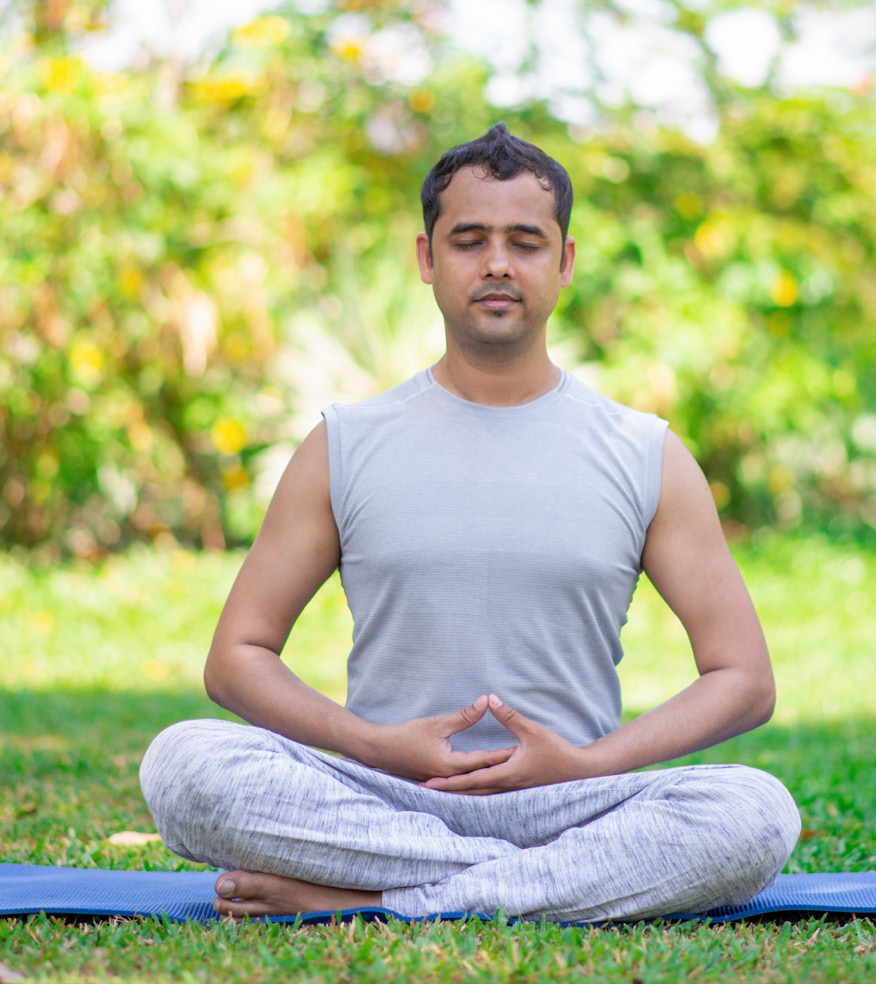
Emotional Regulation & Cognitive Clarity
In the Gṛhastha stage, emotional labour runs high. We manage not just spreadsheets but toddlers, in-laws, bills, and that weird colleague who overshares at lunch. Studies have shown Prāṇāyāma increases gamma aminobutyric acid (GABA) levels in the brain—a neurotransmitter linked to emotional stability and mental focus.
Viniyoga’s Prescription
With Pitta running hot, we need tools to cool, centre, and clarify.
While āsana still plays a supportive role to keep joints oiled and strength maintained, breath takes centre stage with practices like:
- Samavṛtti (equal breath) – calming the mind.
- Śītalī / Śītkārī (cooling breath) – reducing internal heat and inflammation.
- Nāḍīśodhana (alternate nostril) – balancing hemispheres and thought patterns.
In this life chapter, we don’t stop moving but learn to breathe through it all— literally.
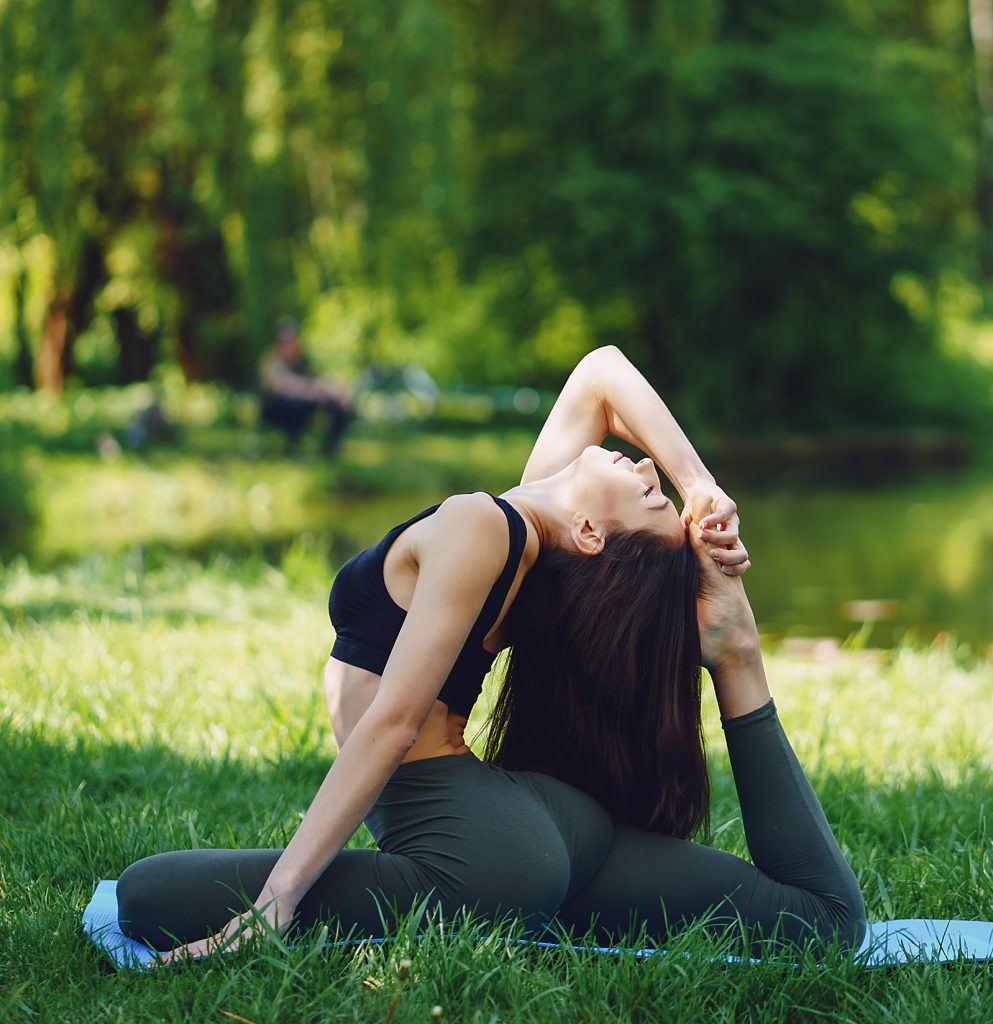
Act Three: Sannyasa (Age 65+) — Reflect, Don’t Retire
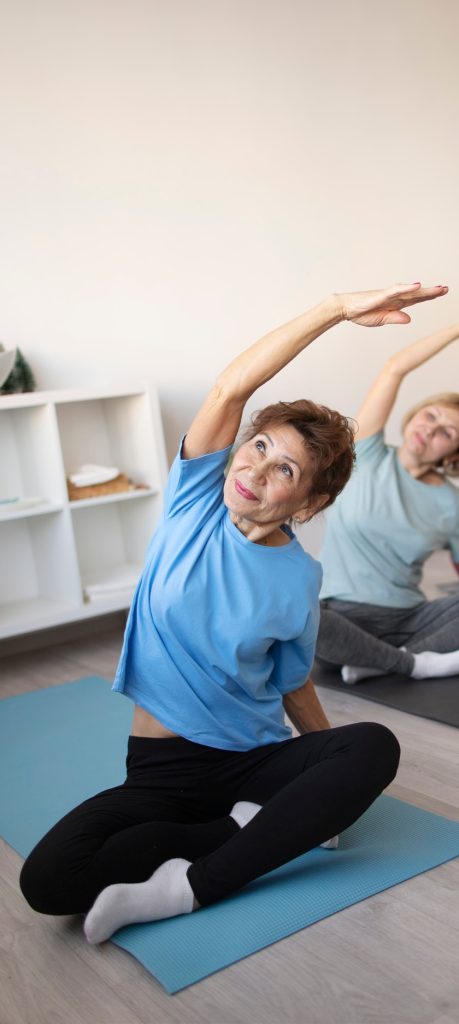
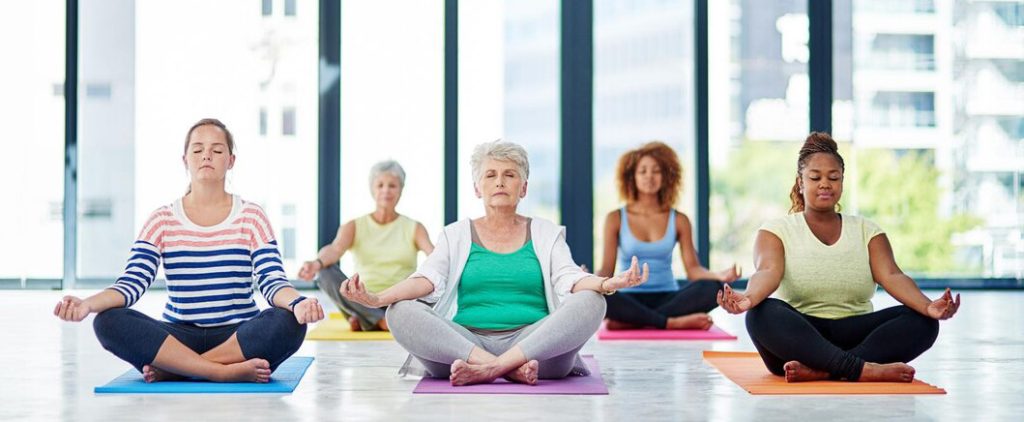
You’ve made it. If life were a play, this would be Act III: poignant, spacious, and reflective. You’re older, possibly wiser, and hopefully less inclined to care about matching socks. This is where Dhyāna (meditation) becomes the leading protagonist.
Brain Ageing & Meditation
Research from the University of California has shown that long-term meditation increases cortical thickness in the brain—particularly in areas responsible for attention and sensory processing. That’s right—meditation might not just calm your nerves; it may literally preserve your brain. A 2016 study published in Frontiers in Psychology found that adults aged 65+ who meditated regularly had better memory recall, emotional stability, and even slower cognitive decline compared to non-meditators.
Inflammation and Immune Health
Chronic low-grade inflammation (inflammaging, if you will) becomes a health concern as we age. A study from Carnegie Mellon found that mindfulness practices reduced levels of C-reactive protein, a key inflammation marker.
Viniyoga’s Prescription
As Vāta becomes dominant in the later years—bringing dryness, instability, and sometimes confusion—slowing down becomes essential. Dhyāna needn’t be complicated:
- A daily mantra or prayer.
- Guided meditation or visualisation.
- Contemplative journaling or breath awareness.
Meditation helps us not just age gracefully, but age consciously.
Modern-Day Applications:
Yoga That Evolves
Let’s not pretend we all live in quiet ashrams with nothing to do but contemplate our belly buttons. The world is chaotic, but Yoga offers us a stable centre if we learn to adapt our practice and not cling to one size fits all.
Even Western medicine is catching up. The NHS has begun integrating Yoga and meditation into chronic pain and anxiety treatment protocols. Insurance companies in the US now reimburse Yoga therapy sessions for veterans. Universities worldwide have departments dedicated to Mind Body Medicine.
And at the root of these developments? The recognition that different bodies and minds need different things at other times. Or, as Viniyoga told us centuries ago—”adapt the practice to the person, not the person to the practice.”
Grace in Every Chapter
We often treat ageing as something to fight—Anti-Ageing Cream, Ageless Yoga, Botox-Enhanced Crane Pose (Bakāsana)! But what if we stopped resisting the natural rhythm of life and leaned into it instead?
Viniyoga gently reminds us that our practice isn’t supposed to stay the same forever. In fact, if it did, it wouldn’t really be Yoga—it would be choreography.
So, here’s the friendly takeaway:
- Young and bendy? Move your body. Build focus and form.
- Middle-aged and maxed out? Breathe. Unclench your jaw. Let the fridge light flicker without taking it personally.
- Elder and wise? Sit in stillness. Watch the clouds pass. Say less. Smile more.
Accept your stage, adjust your tools, and give yourself the grace to evolve. Yoga isn’t about fixing you—it’s about meeting you right where you are.
Let’s stop asking, “What’s the best style of Yoga?” and ask, “What’s the best Yoga for me, right now?
Look at where you are in life. Be honest, kind, and curious. Then, let your practice reflect your reality—not your nostalgia or your goals.
You’re not supposed to be who you were ten years ago. You’re also not supposed to be who you will be ten years from now. You’re exactly where you need to be. And your Yoga? It should be too. ‘The Plan is perfect… It’s just not your plan.’
Now take a deep breath. And begin.


Leave feedback about this