


Ancient Wisdom and Modern Science on the Transformative Power of Appreciation
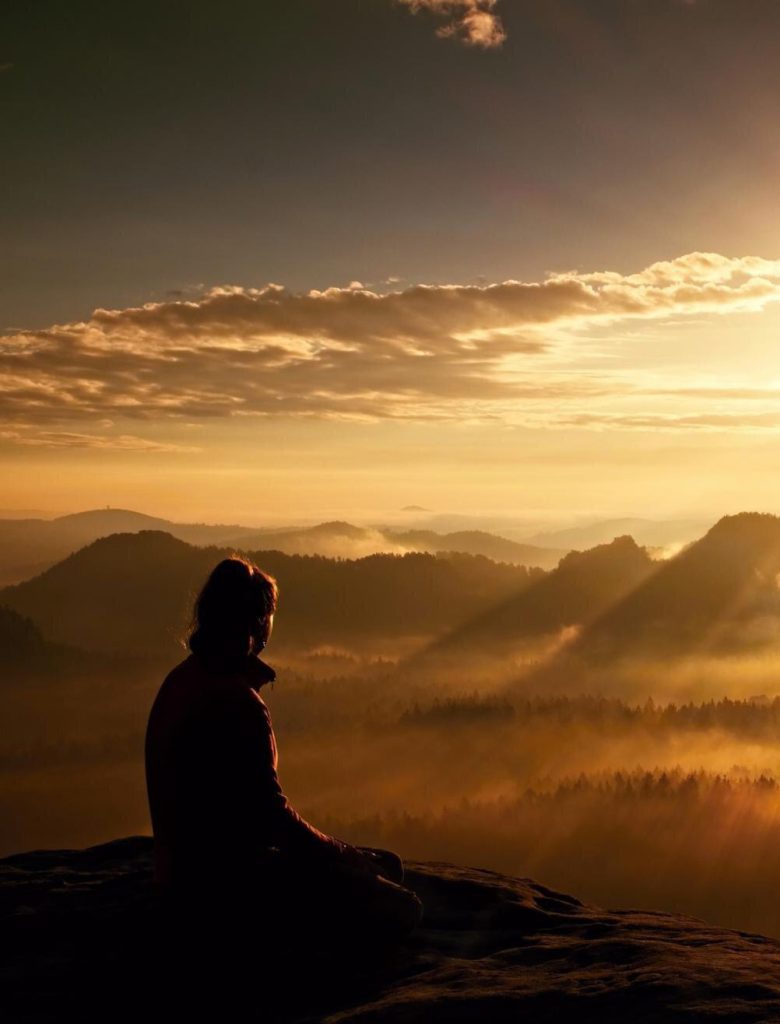
“Gratitude is not only the greatest of virtues, but the parent of all the others.” Cicero
GRATITUDE: THE MOST UNDERRATED SUPERFOOD
If gratitude could be bottled and sold as a supplement, it would outsell turmeric lattes, ashwagandha gummies, and kale smoothies combined. However, gratitude doesn’t require spending money, chanting in Sanskrit for ten minutes before brewing, or developing a tolerance for bitter greens. Gratitude is free, infinitely renewable, and has zero side effects unless you count increased joy and improved digestion as “side effects.”
Yet, despite its accessibility, many of us treat gratitude like flossing: we know we should do it, we feel slightly guilty when we don’t, and we manage to rediscover it only when something is painfully out of balance. But when we look closer through the twin lenses of Āyurveda (the science of life and balance) and Viniyoga (a tradition of yoga that adapts practice to the individual rather than bending the individual into pretzel poses), gratitude emerges as a daily necessity and a significant psychological and spiritual healing practice. It can regulate our doṣas, restore our nervous system, and remind us that enlightenment doesn’t necessarily require a Himalayan cave—sometimes it begins with feeling grateful for your morning cup of coffee.
PART I: GRATITUDE IN THE CONTEXT OF MODERN PSYCHOLOGY
Modern psychology, ever fond of data and brain scans, has joined the gratitude bandwagon in recent decades. Studies show gratitude practices improve mood, sleep quality, and even cardiovascular health. Brain imaging reveals that gratitude activates areas associated with reward and motivation, suggesting that saying “thank you” (from your heart) is
like giving your neurons a round of applause.
From a therapeutic standpoint, gratitude shifts the mental spotlight from scarcity to abundance. Instead of ruminating on the one person who cut us off in traffic, gratitude reminds us of the kind stranger who held the door open or the reliable miracle of oxygen.
But as comprehensive as it tries to be, psychology often isolates gratitude as a behavioural intervention—a tool in a toolbox. Āyurveda and Viniyoga, however, remind us that gratitude isn’t just a “hack.” It’s a core orientation of being that integrates body, mind, and spirit.
PART II: ĀYURVEDIC TEACHINGS ON GRATITUDE
Gratitude and the Doṣas
Āyurveda sees every human as a unique blend of three doṣa-s: Vāta (air/space), Pitta (fire/water), and Kapha (earth/ water). Gratitude interacts with these energies in ways more potent than ginger tea.
- For Vāta types (the anxious creatives, eternal idea factories): Gratitude grounds the restless wind, reminding Vāta that not everything is fleeting. Pausing to savour what already is anchors them in the present.
- For Pitta types (the fiery leaders, perfectionists, and spreadsheet zealots): Gratitude cools the inner inferno. Instead of focusing on what isn’t perfect, Pitta is invited to appreciate the progress, the relationships, and yes—even the slightly crooked Excel column.
- For Kapha types (the nurturing but sometimes sluggish caretakers): Gratitude energises and uplifts, gently coaxing Kapha out of inertia by
highlighting the beauty in motion, connection, and giving.
Gratitude and the Guṇas
Āyurveda also describes the three gunas—Sattva (clarity), Rajas (activity), and Tamas (inertia). Gratitude is inherently sattvic, bringing clarity, lightness, and harmony. It softens rajasic agitation and tamasic gloom like a candle illuminating a dim room. Thus, a simple gratitude practice can act as an antidote to psychological turbulence.
Gratitude as Medicine
The ‘Caraka-saṁhitā’, a foundational Āyurvedic text, emphasises that mental states influence physical health.
Gratitude, as a practice of cultivating joy and connection, directly supports digestion (the fire of agni burns brighter when the mind is at ease), immunity (ojas—the subtle essence of vitality—strengthens with positive states), and longevity. Who knew that feeling grateful could improve your mood and microbiome?
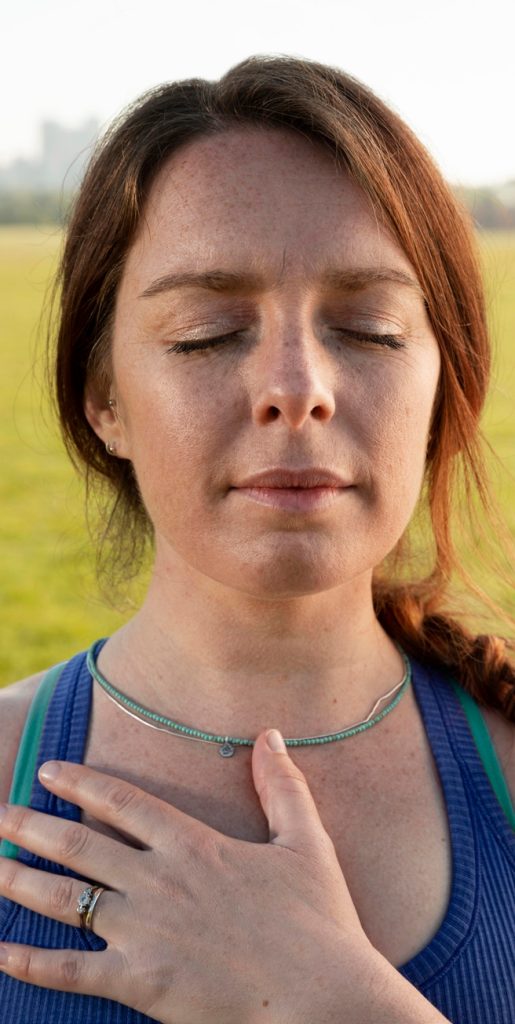
PART III: GRATITUDE AND VINIYOGA PRINCIPLES
Unlike many yoga traditions that emphasise performing advanced postures, Viniyoga emphasises function over form—a personalised, therapeutic approach to yoga. Gratitude slips beautifully into this philosophy.
The Four Pillars of Viniyoga Applied to Gratitude
- Adaptation (Viniyoga): Just as postures adapt to the individual, gratitude practices adapt too. For one person, gratitude might mean journaling daily. For another, it may mean whispering thanks before meals. The practice meets you where you are.
- Function over Form: Gratitude doesn’t need to be Instagrammable. It doesn’t require ornate journals, lotus positions, or carefully staged candles. The real function of gratitude is the transformation of perception, not aesthetics.
- Breath as Central: In Viniyoga, breath is the bridge. Gratitude paired with breath magnifies its effect. For example, inhaling with the thought “I receive” and exhaling with “I offer thanks” weaves gratitude into the very fabric of respiration.
- Integration of Mind, Body, Spirit: Gratitude is not simply a mental exercise—it is embodied. The shoulders soften, the jaw unclenches,
the breath deepens. Gratitude is less about intellectual acknowledgement and more about physiological recalibration.
A Practical Viniyoga Gratitude Sequence
Imagine a short sequence: seated comfortably, spine tall. Inhale and raise the arms,silently repeating “I receive.” Exhale, palms to heart, “I give thanks.” Repeat gently, letting breath and intention shape each other. Simple, but profoundly regulating.
PART IV: THE PSYCHOLOGICAL- SPIRITUAL BRIDGE
Here’s where it gets juicy: gratitude is both a psychological technique and a spiritual discipline. Psychology teaches us about neurotransmitters, Āyurveda and Viniyoga teach us about metaphysics. Together, they remind us that gratitude is not just a mental platitude but a practice that tunes the entire human instrument.
- Psychological: Reframes thought patterns, reduces stress, promotes resilience.
- Āyurvedic: Balances doṣa-s, increases ojas, nourishes sattva.
- Viniyoga: Integrates gratitude with breath, movement, and intention.
- Spiritual: Connects us with something larger—call it divine, cosmos, or just “the Big Mystery.”
- In this synthesis, gratitude ceases to be a “nice idea” and becomes a radical act of alignment.
PART V: WHY GRATITUDE IS HARD (AND WHY THAT’S OKAY)
If gratitude is so great, why aren’t we all walking around in a perpetual state of blissful thanks? The human brain is wired to notice threats more than blessings (thank you, evolution). Add in modern distractions, news cycles of doom, and daily micro- annoyances (Wi-Fi buffering, anyone?), and gratitude feels like swimming upstream.
Āyurveda reminds us that imbalance exacerbates this: a Vāta-deranged mind is too scattered to pause; a Pitta mind is too critical; a Kapha mind is too heavy. Viniyoga reminds us that forcing gratitude doesn’t work—it must be adapted, gently cultivated, and embodied. And it must not be merely lip service. We must feel it deep in the heart, or it will not work.
So, if you find gratitude “hard,” congratulations—you’re human. The trick is to practice anyway, in small but steady doses.

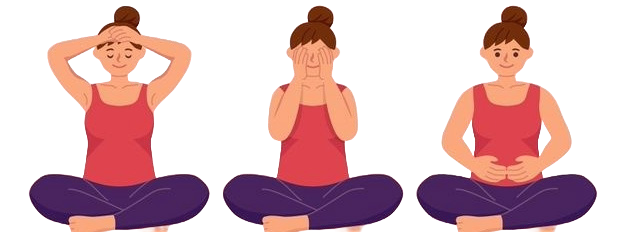
PART VI: A DAILY SEQUENCE OF GRATITUDE RITUALS
Gratitude rituals need not be elaborate. Think of them as spiritual vitamins—best taken daily, in forms you actually enjoy. Here’s a recommended sequence, blending Āyurveda and Viniyoga, that you can adapt to your own doṣa and lifestyle.
Morning: Awakening with Thanks
- Before rising: Place your hand on your heart, take three slow breaths, and whisper, “I am grateful for this breath.” (Sattvic kickstart for the day.).
- Dinacarya addition (Āyurveda): As you rinse your face or sip warm water, silently thank the elements—water for cleansing, fire for warmth, air for breath.
Evening: Integration and Reflection
- Journaling (3 entries): Write three things you’re grateful for—not grandiose achievements, but small, textured details (the smell of cardamom, a kind text, the absurdity of your dog chasing its tail). And please use a pen and paper, instead of just typing it on a screen.
- Viniyoga meditation: Seated, inhale gratitude into the belly, exhale release through the heart. Repeat for 5–10 minutes.
Bonus: Weekly Expansion
Letter of thanks: Write a short note to
someone you appreciate once a week.Delivery is optional, but the act itself transforms you.
CONCLUSION: GRATITUDE AS LIFESTYLE, NOT
HOMEWORK
When gratitude is woven into daily rhythm, it ceases to be another item on the self-improvement to-do list and becomes a way of perceiving reality. From an Āyurvedic perspective, it balances doṣas and cultivates sattva. From a Viniyoga perspective, it integrates breath, movement, and intention. From psychology, it rewires the brain for joy. And from a spiritual perspective, gratitude reminds us that we are not separate—we are in constant dialogue with life itself.
So, the next time someone asks if you’ve tried meditation, therapy, or kale crisps, you can smile knowingly and say, “Yes—but have you tried gratitude?”
Bibliography
- Emmons, R. A., & McCullough, M. E. (2003). Counting blessings versus burdens: An experimental investigation of gratitude and subjective well-being in daily life. Journal of Personality and Social Psychology, 84(2), 377–389.
- Wood, A. M., Froh, J. J., & Geraghty, A. W. A. (2010). Gratitude and well-being: A review and theoretical integration. Clinical Psychology Review, 30(7), 890–905.
- Algoe, S. B. (2012). Find, remind, and bind:The functions of gratitude in everyday relationships. Social and Personality Psychology Compass, 6(6), 455–469.
- Fox, G. R., Kaplan, J., Damasio, H., & Damasio, A. (2015). Neural correlates of gratitude. Frontiers in Psychology, 6, 1491.
- Charaka Samhita (c. 400–200 BCE). Foundational text of Āyurveda.
- Desikachar, T. K. V. (1995). The Heart of Yoga: Developing a Personal Practice. Inner Traditions.

Dr Kausthub Desikachar, PhD, is an internationally renowned Yoga Teacher and Educator representing the Viniyoga tradition. He primarily works as a Yoga Therapist, offering clients astute and effective solutions for all physical, mental, emotional and spiritual illnesses. He is a well-published author, poet, and amazing photographer. For more information on his work at www.viniyoga.com.sg
Words: Dr Kausthub Desikachar, PhD


Leave feedback about this