

In an age of constant digital noise and endless “quick-fix” health trends, the Japanese approach to wellbeing feels like a breath of fresh air — calm, deliberate, and profoundly mindful. Rooted in ancient wisdom and simplicity, Japan’s wellness traditions remind us that caring for the self isn’t about relentless striving, but about balance — between body and mind, effort and ease, nature and nurture.
As Western societies search for more sustainable paths to wellness, several Japanese practices have quietly taken root around the world. From meditative forest walks to mindful eating, these rituals embody a way of living that honours both stillness and vitality. JR Pass recently explored some of Japan’s most enduring wellness traditions that continue to inspire a global movement toward serenity and self-care.
ONSENS
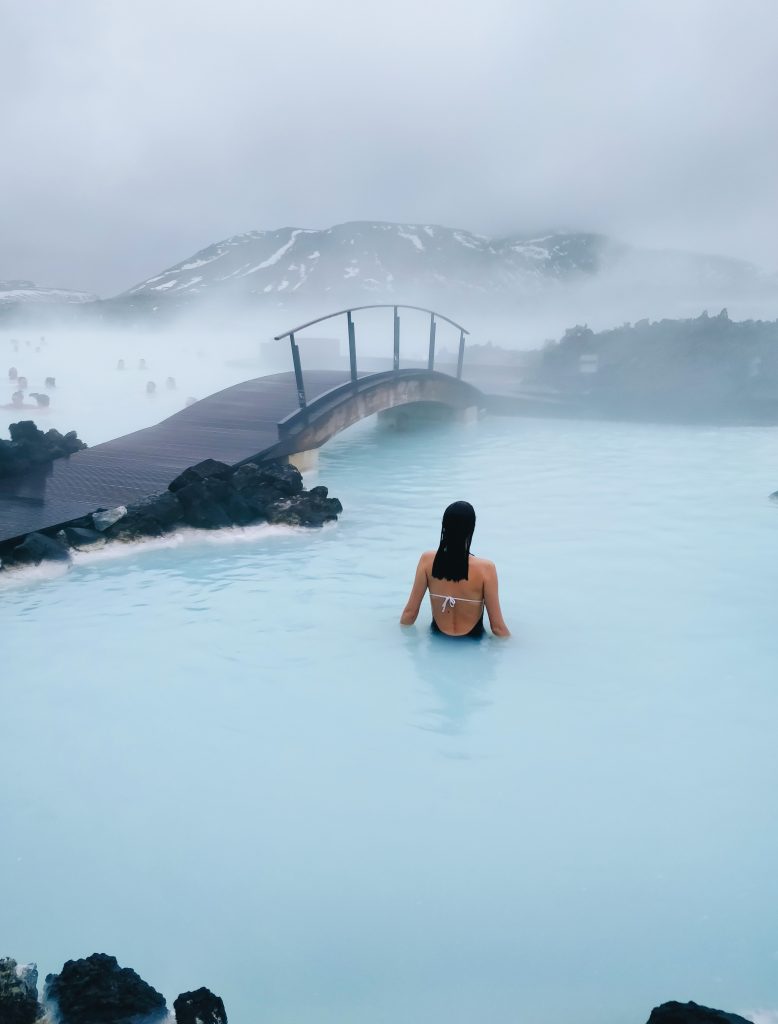
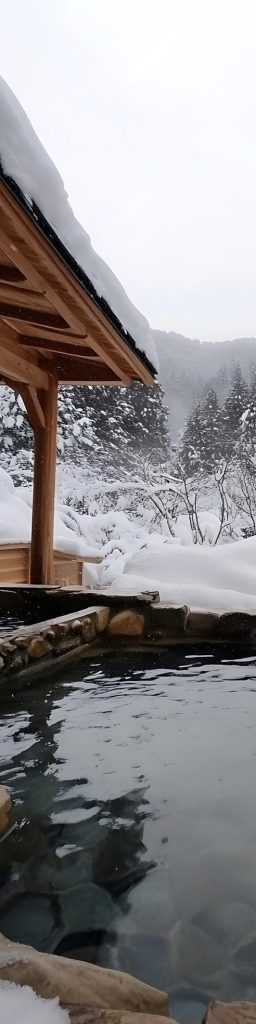
In Japan, ‘onsen’ refers to natural hot springs, bathing facilities, and traditional inns built around them. These heated geothermal springs often contain mineral-rich water, traditionally thought to have rejuvenating properties, hence their popularity. While their use in Japan dates back over a thousand years, travel to onsen towns has remained a go-to getaway
for relaxation for Japanese people. A significant reason for this is the beautiful natural landscapes surrounding many of these onsens. In 2023 alone, 120.71 million people stayed at an onsen overnight in Japan.
Although not as plentiful as in Japan, onsens have slowly made their way over to the West, with countries such as the UK and America adopting the Japanese practice and building their own versions of the traditional onsen.
While every onsen is different, it is worth noting that most require patrons to be entirely nude while using the facilities, and many refuse entry to those with tattoos.
SHINRIN-YOKU
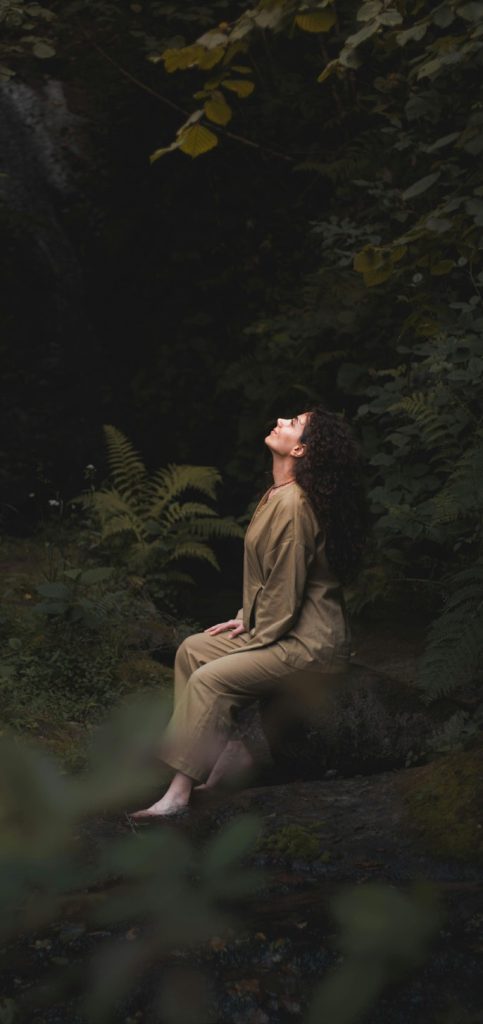
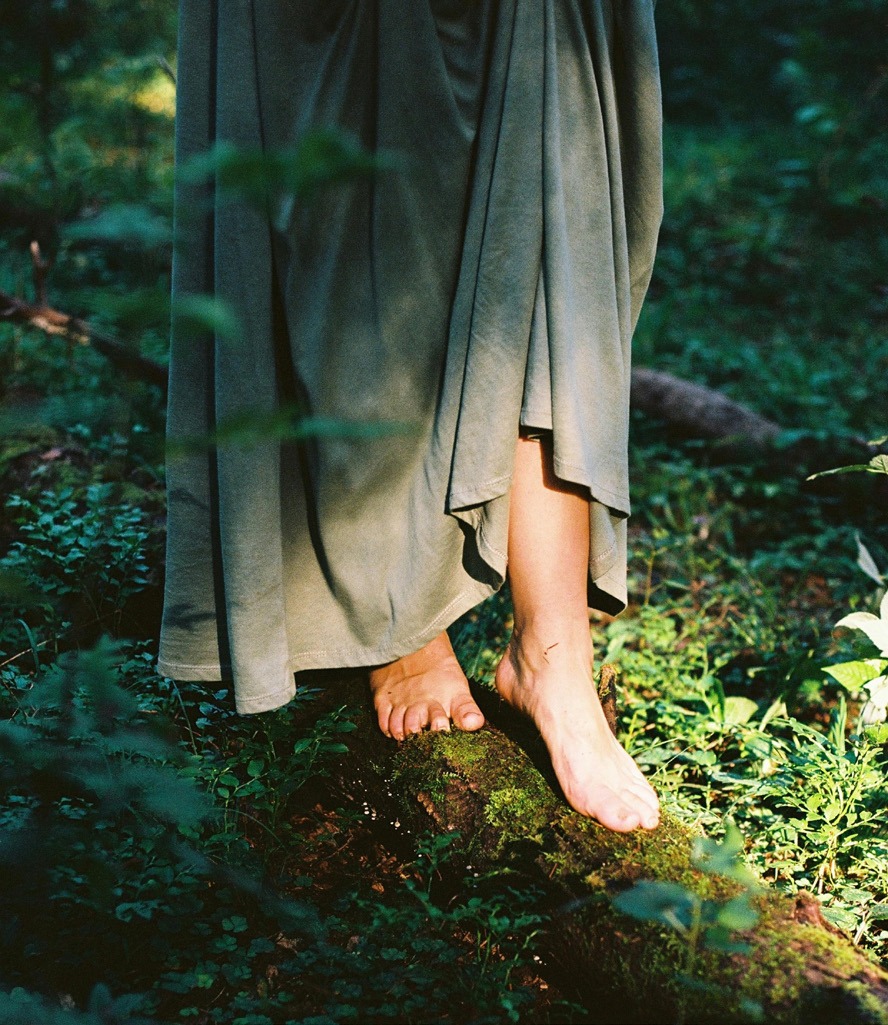
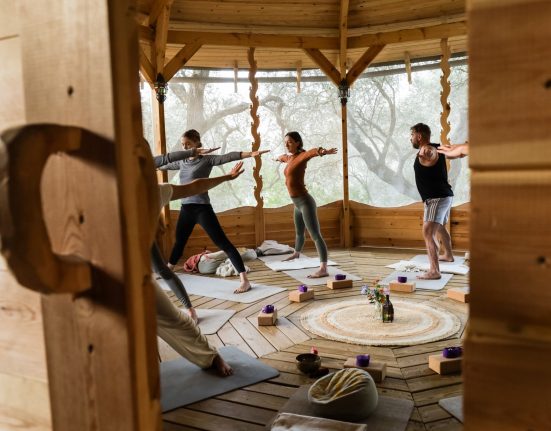
Shinrin-yoku is the Japanese practice of ‘forest bathing,’ which involves immersing yourself in the natural environment, typically forests, to connect with nature and reap the benefits for both your physical and mental health.
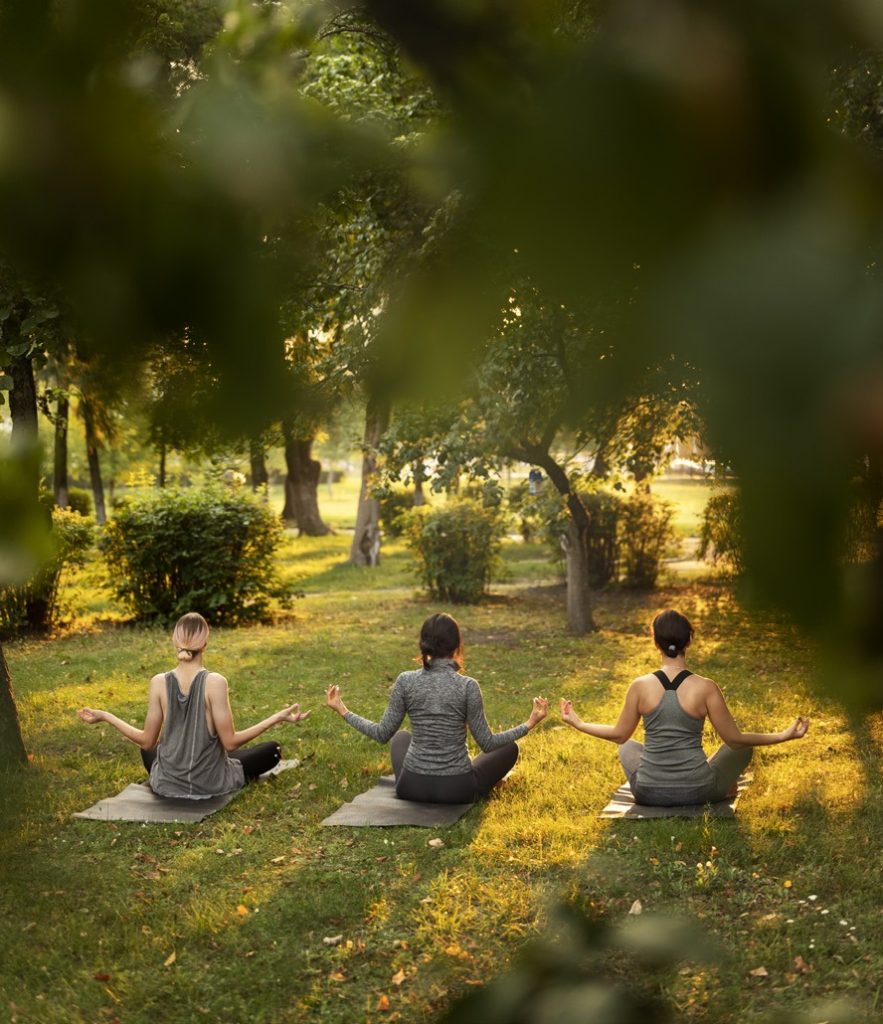
Shinrin-yoku has also been adapted by the Western world, particularly in California, where it is used in conjunction with other forms of meditation such as yoga. Forest bathing has gradually increased in popularity in recent years, with the term receiving a 60% increase in global searches over the past month alone.
HARA HACHI BU
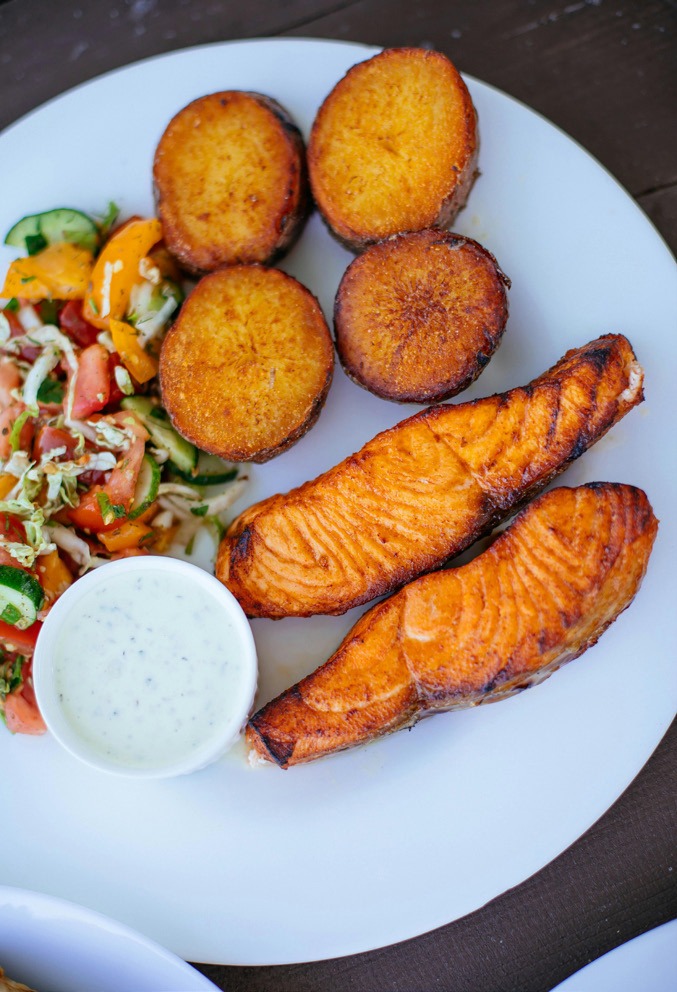
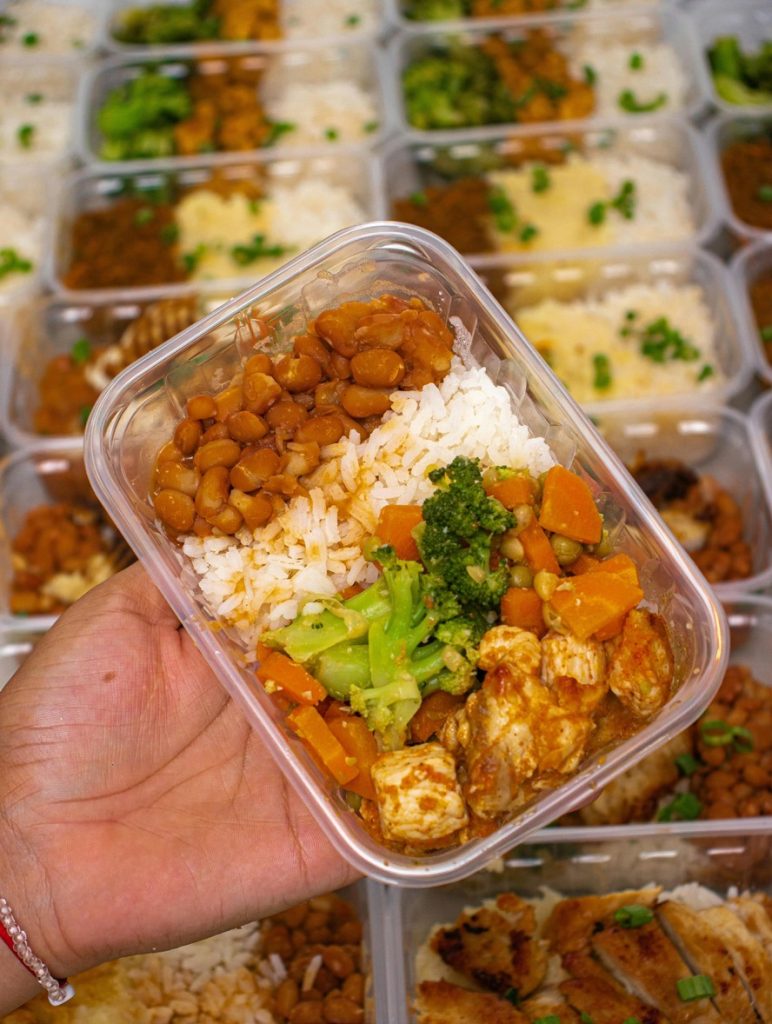
Hara hachi bu (also spelled hara hachi bun me) is a Confucian eating practice, mainly used by the people of Okinawa, which suggests eating until you are 80% full.
Studies on this discipline have shown it reduces BMI, leading to prolonged life expectancy and an overall healthier lifestyle. With many dangerous diets being perpetuated across the internet, hara hachi bu offers a healthy alternative, allowing you to naturally lower your calorie intake without the influence of restrictive diets.
Searches for this practice have increased by over 5,000% globally in the past month, suggesting the increasing popularity of less invasive weight loss alternatives.
WABI-SABI
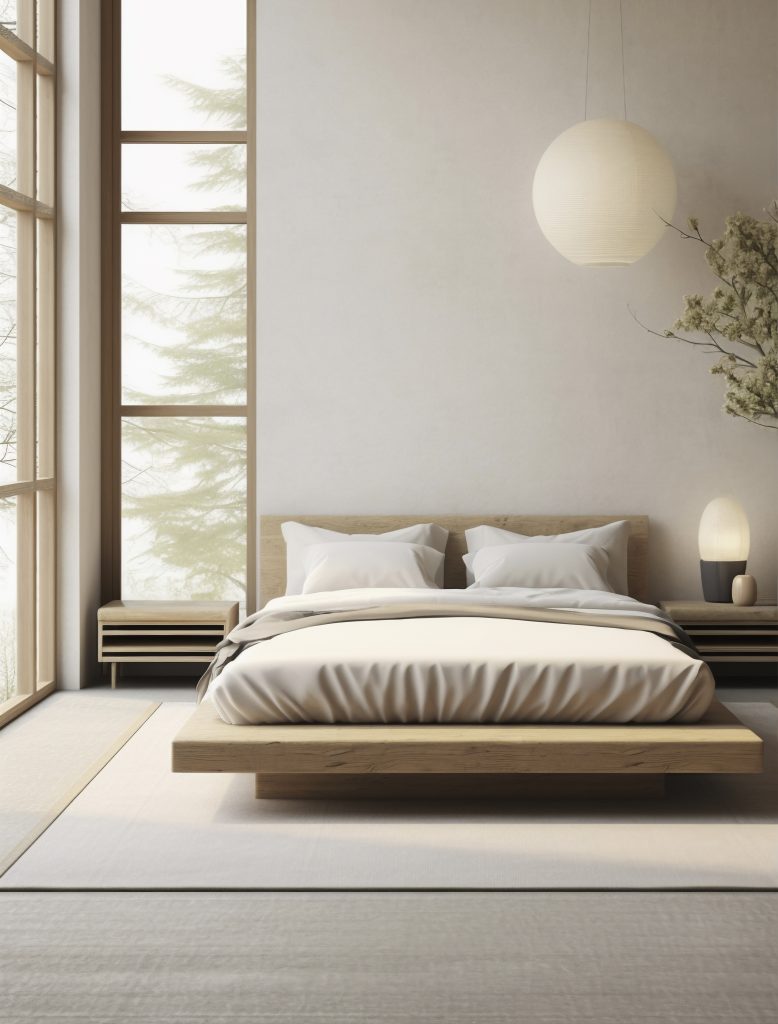
Wabi-sabi is a Japanese philosophy that emphasises the beauty of imperfection.
While initially an aesthetic trend, it can also promote wellness in everyday life by allowing us to look at our flaws and accept them as a part of nature.
Finding peace in impermanence, such as the cracks in a bowl or the withering of a flower, allows us to appreciate the past and present rather than focusing on the stress of the future.
Similar to the art of kintsugi, where cracks in objects are glued with gold, wabi-sabi asks us to appreciate our life and understand that our ‘cracks’ make us more beautiful.
Global searches for the trend increased by 350% in the past month, cementing its importance.
KONMARI
KonMari is an organisational trend created and popularised by Marie Kondo. This practice aims to help you declutter your home and, by extension, your mind by keeping only objects that ‘spark joy.’
Marie Kondo first rose in popularity after publishing her novel The Life- Changing Magic of Tidying Up in 2011. The theory behind using the trend for wellness is that a messy room reflects a messy mind, and by forcing yourself to clean and organise your belongings, you also force yourself to confront the things causing you stress and anxiety.
The practice has increased in search volumes by 160% in the last month, showing that the practice has yet to waver in popularity.
Haroun, spokesperson from JR Pass, states,
“Japan is leading the way in many industries, notably tech, automobiles, and pop culture. However, with Japan being one of the healthiest countries in the world, it’s no surprise they’re also making headway in the health/well-being sector.
Many Japanese wellness trends are entrenched in nature, primarily focusing on reconnecting with the natural environment.
Although Japan has been rapidly industrialising, it is still one of the most forested countries in the world, and the importance of nature and being present in the moment is deeply rooted in Japanese society.”
his research and data was commissioned by JR Pass


Leave feedback about this